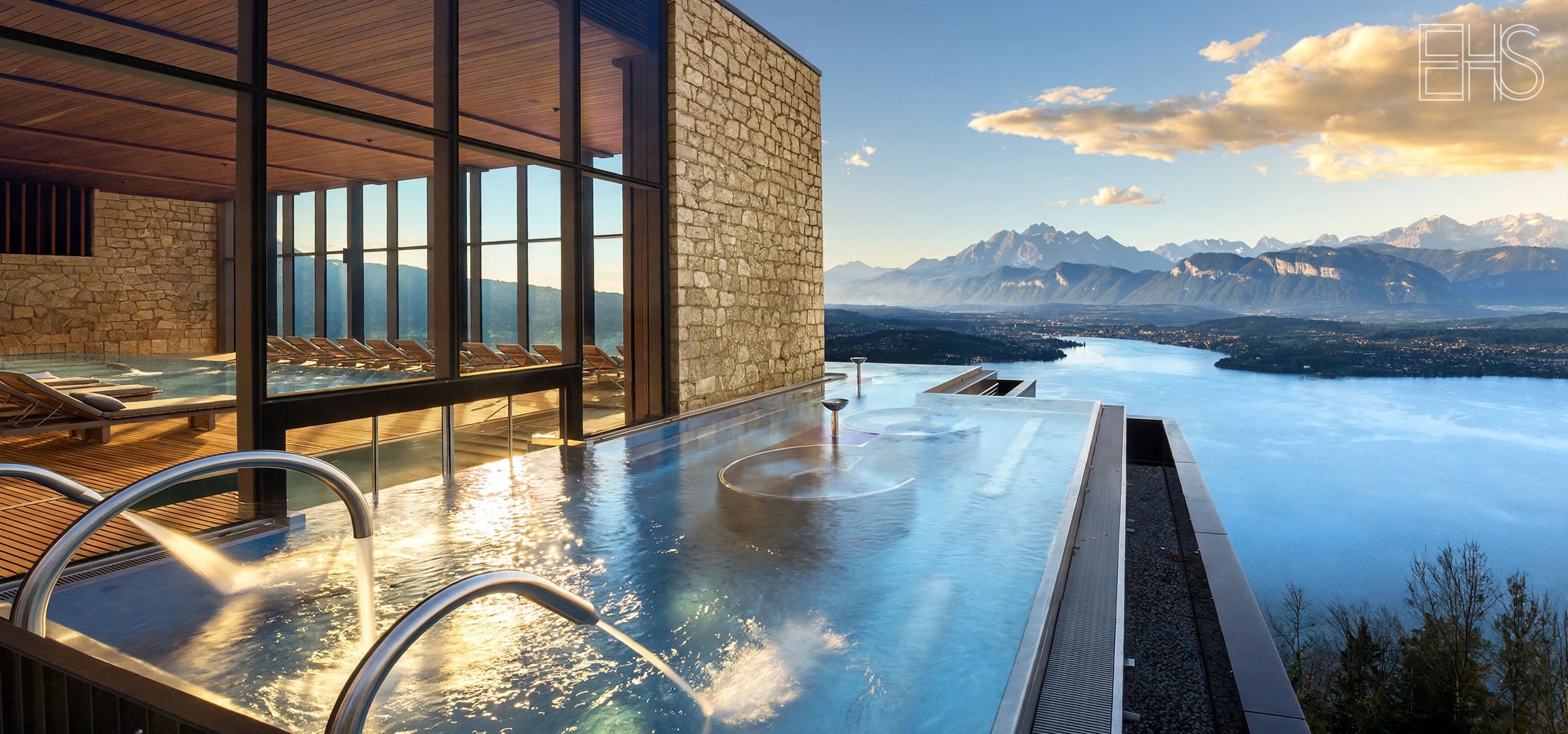

A wellness sabbatical is not a long vacation. It is a deliberate block of time, usually four weeks or more, structured around rest, movement, and a change of environment, with the explicit goal of returning different. The format has grown up alongside the luxury retreat industry: where a week at a destination spa once felt like the maximum, extended stays of a month or a season are now a standard offering at many properties.
Planning one well takes more than booking a long hotel stay. The decisions that matter are made before any reservation: how long, what it is for, what it costs across the full arc, and what happens when you come home. This guide is the framework.
Key takeaways - Define the sabbatical's purpose before choosing anything else: recovery from burnout, a fitness reset, learning a practice, or simply unstructured rest each point to different formats. - Budget the full arc, not just the property: most sabbaticals cost 30 to 50 percent more than the accommodation once food, treatments, transport, and home costs are included. - One property for the full stay suits deep rest; multi-stop itineraries suit curiosity. Splitting a sabbatical into two chapters is the most common compromise. - Handle visas, insurance, mail, banking, and subscriptions before departure: administrative loose ends are the top reason extended trips feel stressful instead of restorative. - Plan the return with the same care as the departure: the first two weeks home determine whether the sabbatical's gains survive.
Define the Sabbatical Before You Plan It
The word sabbatical covers very different trips, and the planning diverges early. Four common purposes:
Recovery. Time off after burnout, illness, or a brutal professional stretch. The priority is rest and low demands: one quiet property, minimal schedule, no ambitious itinerary.
Reset. A fitness or lifestyle reset: establishing exercise, sleep, and nutrition habits with professional structure. Properties with assessments, personal training, and nutrition programming fit here; our guide to choosing the right retreat maps which properties run structured programs versus open schedules.
Learning. Acquiring a practice: meditation, breathwork, a movement discipline, a culinary approach. This favors properties with resident teachers and progressive curricula over those built around pampering.
Space. Unstructured time to think, write, or decide what comes next. This needs the least programming and the most good environment: comfortable rooms, good walking, reliable quiet.
Budgeting the Full Arc
Extended stays price differently from weeks, and the sticker number is never the full number. Build the budget in layers:
Accommodation. Many properties discount extended stays: 28-night rates often run 20 to 40 percent below the pro-rated weekly rate, and some publish monthly pricing outright. Ask directly; long-stay rates are frequently unpublished. All pricing in this category is approximate: verify current rates before booking anything.
Programs and treatments. At structured properties, the daily program, consultations, and a treatment allowance may be bundled or may be extra. Clarify what a month includes versus what a week includes: some properties cap the bundled treatments and charge beyond that.
The 30 to 50 percent rule. Across food outside the program, transport, laundry, visas, insurance, and the home costs that continue while you are away (rent or mortgage, storage, subscriptions), most sabbaticals cost a third to a half more than the accommodation line. Budget the arc, not the room.
Home costs. The forgotten layer: mail, plants, pets, and whether insurance covers an empty house for the duration. Price these before departure, not during.
Our breakdown of what luxury retreat weeks actually cost gives the per-week baselines; multiply carefully, then add the arc costs above.
Choosing the Format
Three formats cover nearly every wellness sabbatical:
Single property, full stay. One place for the entire sabbatical. Best for recovery and deep rest: no packing, no transit days, relationships with staff that deepen over weeks. The risk is restlessness around week three, so choose a property with enough grounds, programming variety, and nearby excursions.
Multi-stop itinerary. Two to four properties across the sabbatical, often across countries. Best for curiosity and learning: contrast keeps the weeks distinct. The cost is transit fatigue and the reset tax of each arrival. Keep transits to one per week at most.
Home base plus excursions. A serviced apartment or long-stay hotel as the base, with day visits to spas, studios, and thermal baths. Best for independence and budget control. This format demands more self-direction: without a program structure, the weeks need your own rhythm.
The most common compromise is two chapters: three to four weeks at one anchor property, then one to two weeks elsewhere. It captures most of the depth benefit with an antidote to restlessness built in.
Sabbatical Formats Compared
The table below compares the three formats on the dimensions that matter most for planning. It reflects standard industry practice and long-running guest patterns rather than any single property's offering.
| Format | Best purpose | Typical cost shape | Main risk | Ideal duration |
|---|---|---|---|---|
| Single property | Recovery, deep rest | Highest nightly, simplest total | Restlessness by week three | 4 to 8 weeks |
| Multi-stop | Learning, curiosity | Transit adds 15 to 25 percent | Arrival fatigue | 4 to 12 weeks |
| Home base plus excursions | Independence, budget | Lowest lodging, variable extras | Drift without structure | 6 weeks and up |
Timing and Seasonality
Season affects price, weather, and crowd density simultaneously. Shoulder seasons at most wellness destinations bring the best combination: lower rates, mild weather, and fewer guests. Alpine properties shine in late spring and early autumn; Southeast Asian properties in the cooler dry months; desert properties from autumn through spring.
Book the anchor property first, then build around it. Popular properties and specific practitioners fill months ahead for long stays, since a 28-night booking removes a room from inventory for a full cycle. Four to six months of lead time is prudent for the well-known names.
Consider starting midweek. Arrivals on weekends collide with the weekly turnover rush at many properties; a Tuesday or Wednesday arrival usually means a calmer intake, more staff attention, and first choice of treatment times.
Logistics: The Unglamorous Checklist
Administrative loose ends are the top reason extended trips feel stressful. Handle these before departure:
- Visas and entry rules. Beyond 30 days, many countries require specific visa types: research the actual rule for your nationality and the full stay length, not the tourist default.
- Travel insurance. Standard annual policies often cap single trips at 30 or 31 days. A sabbatical needs a long-stay or backpacker-style policy: confirm the trip-duration limit, medical coverage, and activity exclusions in writing.
- Banking. Notify banks of the countries and dates; carry two cards from different networks; confirm your cards work for the property's pre-authorization holds.
- Mail and subscriptions. Redirect mail, pause what can be paused, and list every subscription with a renewal date inside the sabbatical window.
- Health basics. Refill prescriptions for the full duration plus a buffer; carry a summary of relevant medical information; know where the nearest well-regarded clinic is to each stop.
- Connectivity. Confirm the property's wifi quality if you will work at all; buy local SIMs or an eSIM plan for multi-country itineraries.
A note on safety: extended stays sometimes include fasting programs, daily thermal bathing, or altitude. None of these suit everyone. Build up gradually, skip anything that feels wrong, and check with a qualified healthcare professional before committing to an intense program, especially when managing an existing condition or pregnancy.
Staying Connected Without Undoing the Point
Most sabbaticals include some connection to home: family, a business, a team. The norm that works is scheduled, not constant: one defined window per day or a few per week for messages and calls, with the phone otherwise put away. Tell people the rhythm before you leave so nobody worries and nobody expects instant replies.
For work specifically, decide in advance whether the sabbatical is a true break or a remote-work interlude. The middle ground, half-working from a beautiful place, reliably produces neither good work nor good rest. If work continues, give it bounded hours and a defined end date; if it stops, set the out-of-office and mean it.
The Return: Re-entry Planning
The most neglected phase. Guests routinely report that the first two weeks home determine whether the sabbatical's gains survive, and most plan nothing for them. Plan three things:
A soft landing. Do not schedule the return for the night before work resumes. Give yourself three to five buffer days at home to unpack, restock, sleep in your own bed, and re-enter gradually.
Protected routines. Identify the two or three practices from the sabbatical worth keeping: a morning walk, a sleep schedule, a cooking habit. Write them down and put them in the calendar before departure momentum fades.
A review date. Six weeks after return, review what stuck and what did not. Sabbaticals that change lives do so through the routines that survive, not the memories.
What to pack covers the practical kit for extended stays: rotation planning for workout gear, the documents folder, and what properties provide over long durations.
Frequently Asked Questions
How long should a wellness sabbatical be?
Four weeks is the practical minimum: the first week is arrival and decompression, and the benefits compound from week two onward. Six to eight weeks is the sweet spot most experienced sabbatical travelers describe, long enough for real routine change without the logistics of a season. Beyond twelve weeks, visa rules, home costs, and restlessness become the binding constraints rather than the wellness programming.
Is a wellness sabbatical cheaper per day than a one-week retreat?
Usually yes for accommodation: 28-night rates often run 20 to 40 percent below the pro-rated weekly rate, and long-stay pricing is frequently unpublished, so ask directly. But the full arc often erases the saving: food outside the program, treatments beyond the bundle, transport, visas, insurance, and continuing home costs typically add 30 to 50 percent over the accommodation line. Budget the whole trip, not the room rate.
Should I stay at one property or visit several?
One property suits recovery and deep rest: no packing, no transit days, and relationships with staff that deepen over weeks. Multi-stop itineraries suit learning and curiosity but add 15 to 25 percent in transit costs and an arrival reset at each stop. The most common compromise is two chapters: three to four weeks at an anchor property, then one to two weeks elsewhere. Match the format to the sabbatical's stated purpose.
What insurance do I need for a two-month wellness sabbatical?
Standard annual travel policies typically cap single trips at 30 or 31 days, so confirm the trip-duration limit first. Beyond that you need a long-stay policy: check medical coverage limits, evacuation coverage, and exclusions for the activities you will actually do. Get the duration limit and key exclusions confirmed in writing before departure, since marketing summaries often omit them.
How far in advance should I book a long stay at a top retreat?
Four to six months is prudent for well-known properties, since a 28-night booking removes a room from inventory for a full cycle and popular practitioners fill early. Shoulder seasons offer the best combination of rates, weather, and availability. Consider arriving midweek: weekend arrivals collide with weekly turnover at many properties, while Tuesday or Wednesday arrivals usually mean calmer intake and better treatment availability.
How do I keep the benefits after returning home?
Plan the return before you leave. Give yourself three to five buffer days at home before work resumes. Identify the two or three practices worth keeping, a morning walk, a sleep schedule, a cooking habit, and put them in the calendar. Set a review date six weeks after return to check what stuck. Sabbaticals change lives through the routines that survive, not the memories.