

Longevity, without the hype
Infrared vs. traditional saunas, outdoor models, and accessories: what to check before spending thousands, and how to buy once and buy well.
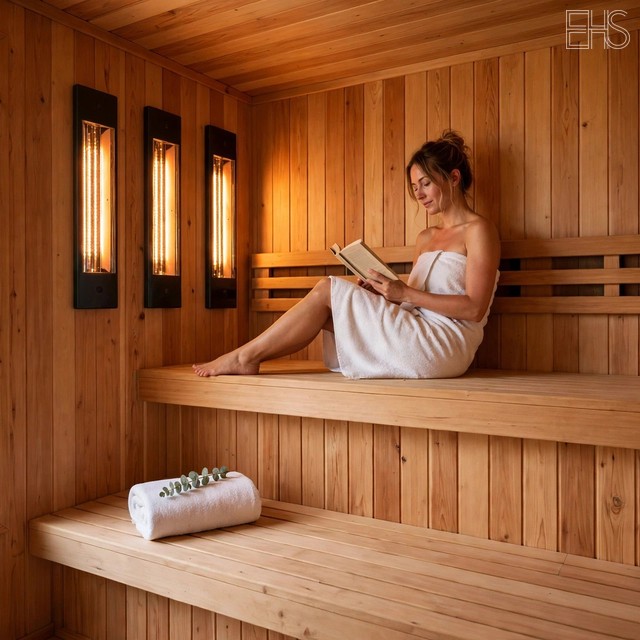
Heater coverage decides whether a cabin warms evenly; EMF figures need matching measurement methods; and the price gap buys coverage and warranty, not hotter air.
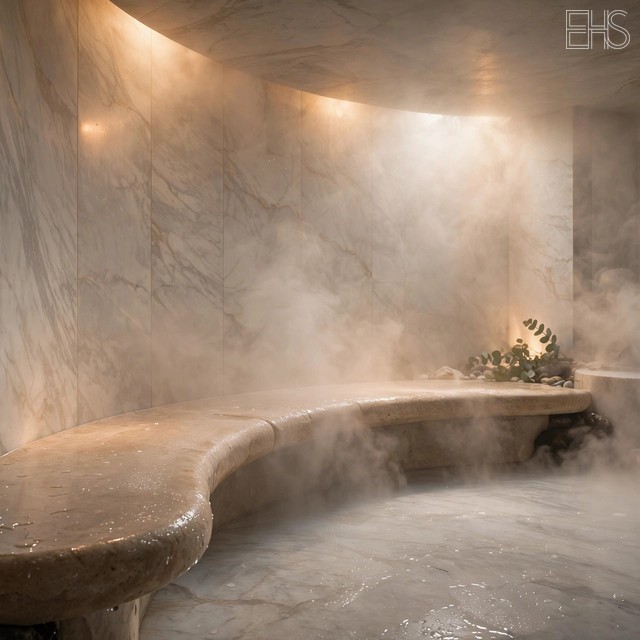
Wet heat at 110 to 120°F or dry heat at 160 to 195°F? Plumbing and waterproofing versus electrical and carpentry. How to decide which hot room fits your home.
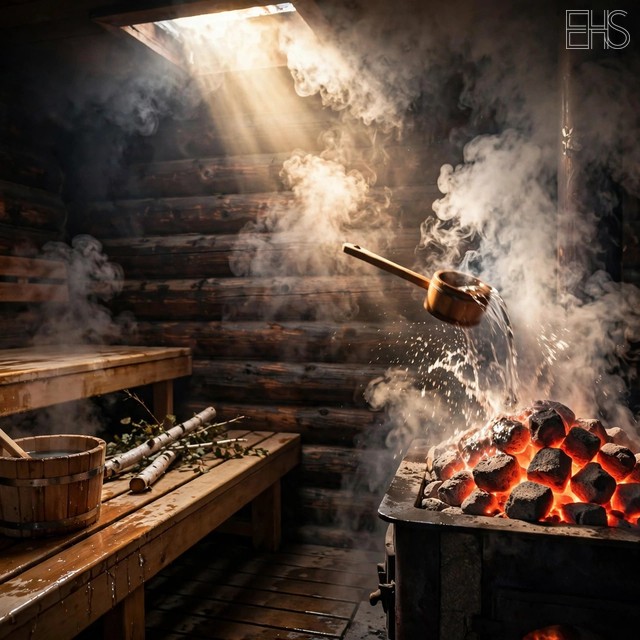
UNESCO-listed and two thousand years old, Finnish sauna culture is the reference point for everything else on the market. Stoves, löyly, smoke saunas, and the etiquette that still matters.
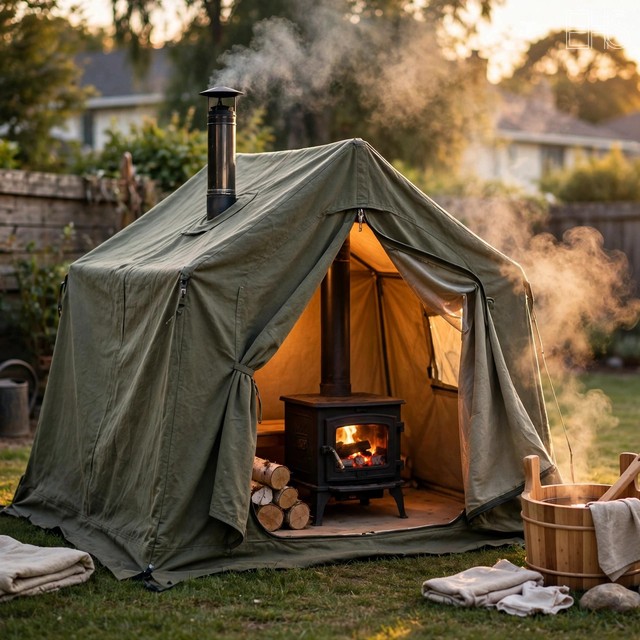
Real heat without construction or a five-figure commitment, if you choose carefully. Sauna tents, pop-up steam pods, and foldable infrared models compared.
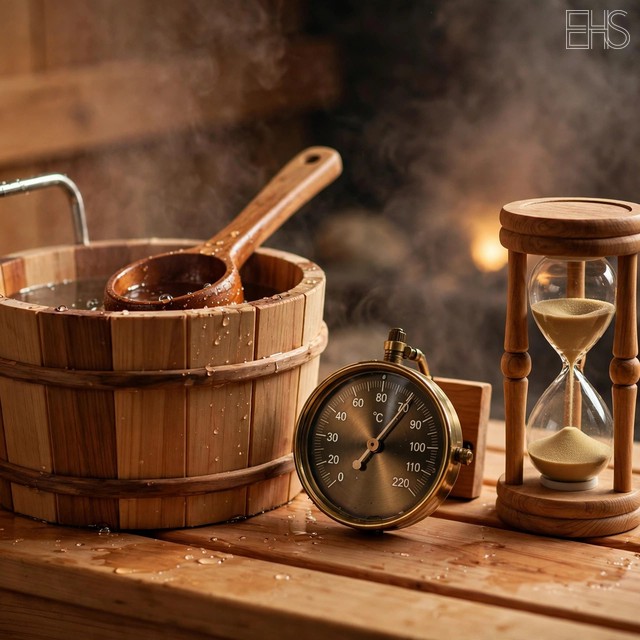
A bucket and ladle are non-negotiable; much of the rest is decoration. Honest notes on the essentials, the upgrades, and the gimmicks to skip.
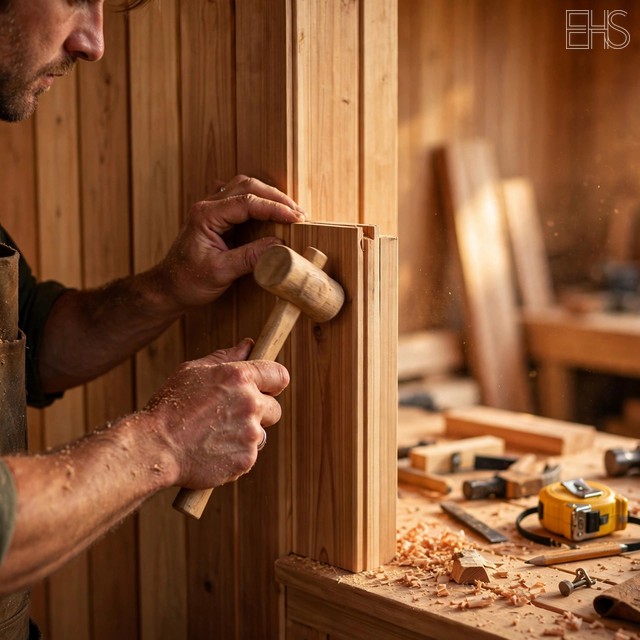
Undersized circuits, missing ventilation, and bad placement cause most sauna disappointments. The technical pillars of a proper installation, with clear lines for when to hire a professional.
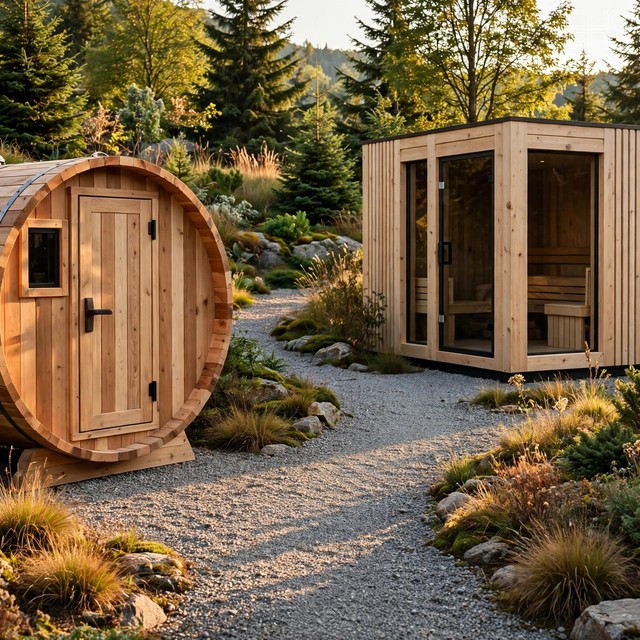
The barrel heats fast and looks like a postcard; the cabin offers flexibility and room to grow. An honest comparison of the two shapes, with no winner declared.
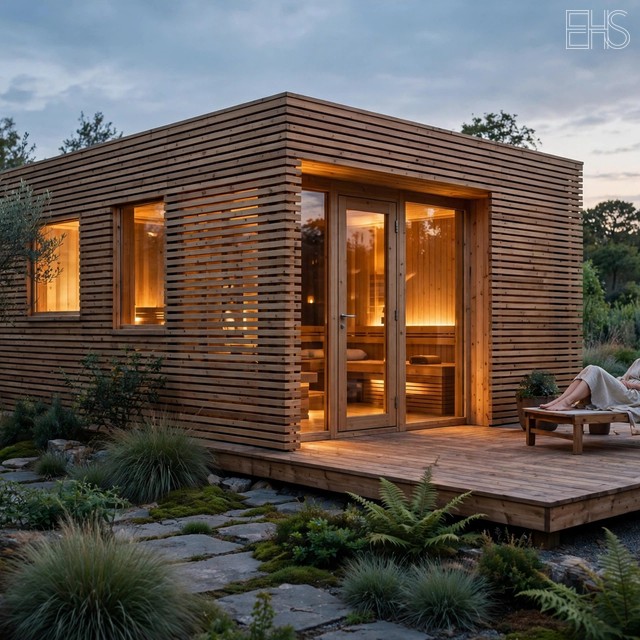
Placement, foundation, and power decide whether an outdoor sauna thrives for twenty years or rots in five. How to shop well, from site selection through winter operation.
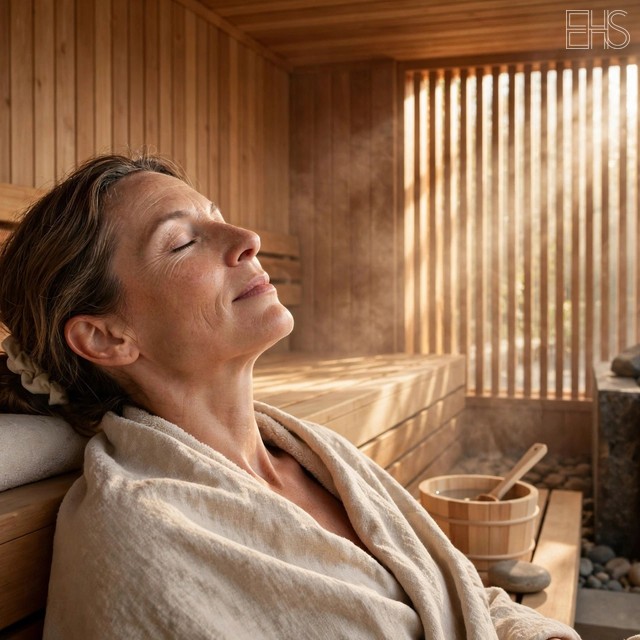
Strong, mixed, thin, misleading: every major sauna claim graded against what studies actually found.
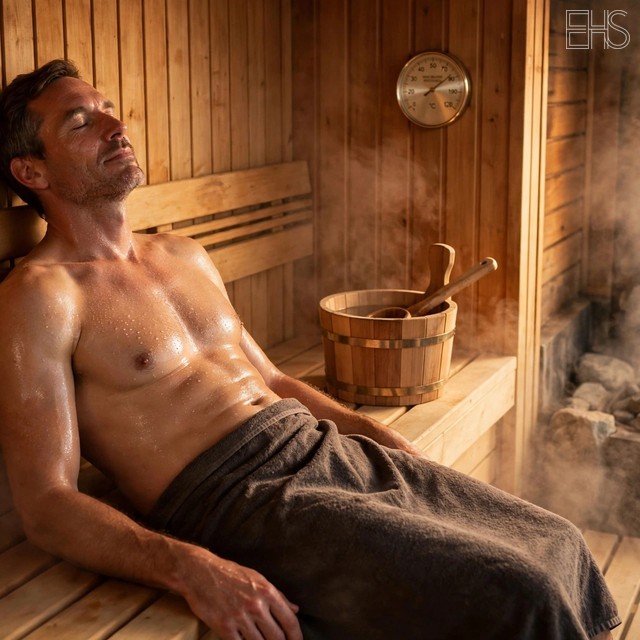
No winner declared, no hype: which sauna type fits your space, budget, electrical panel, and the heat experience you'll actually use.

Heater quality, wood, electrical needs, certifications: the details that matter at four-figure prices.
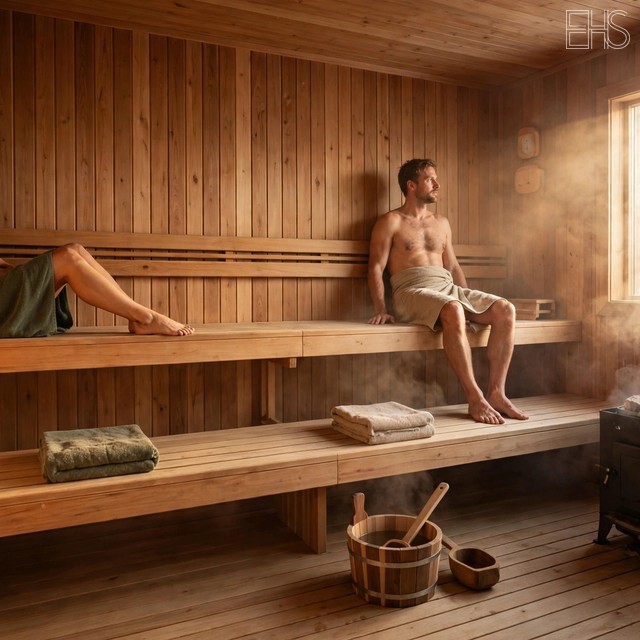
Headcount labels mislead: bench length, air volume, and heater size decide whether a cabin still feels right in year three.
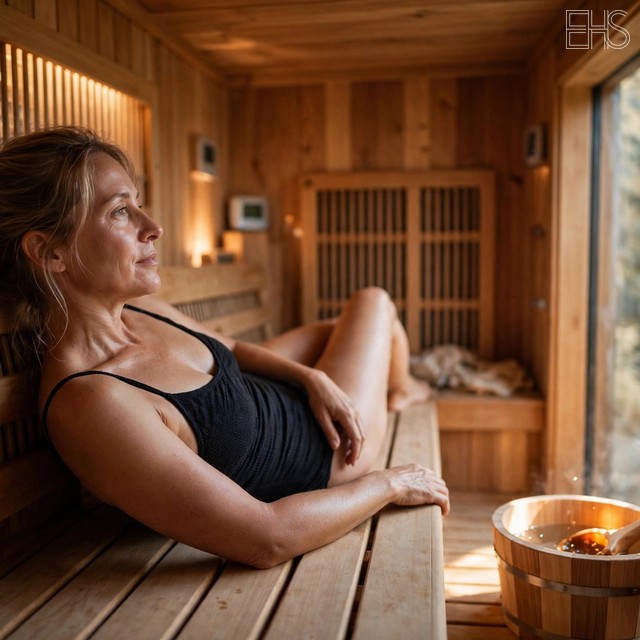
Low EMF is a label, not a standard: how to read the numbers, what manufacturers actually do, and the questions that separate evidence from marketing.
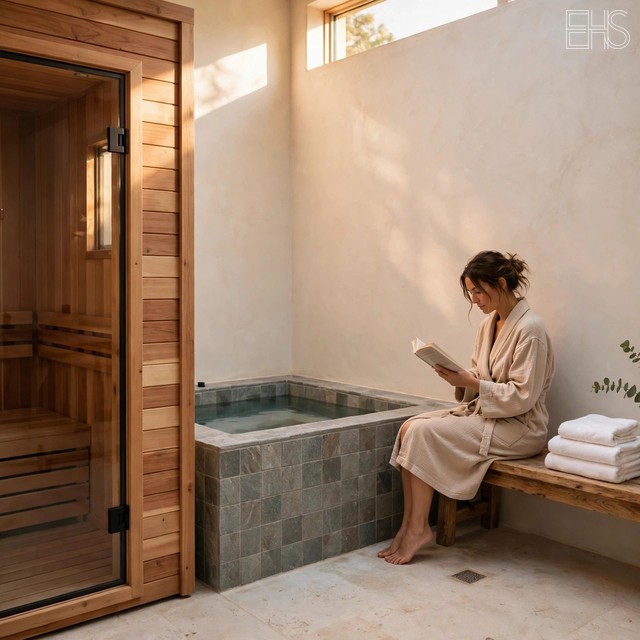
A home spa that works starts with the sequence: heat, cold, rest, in that order, with the wettest stations closest to the drain.
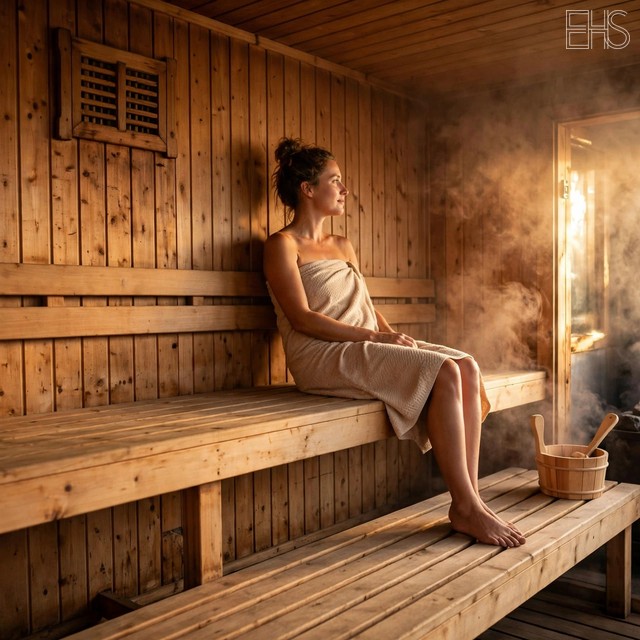
Airflow does three jobs in a sauna: fresh air, even heat, and the drying routine that protects the wood. Where the vents go and how to use them.