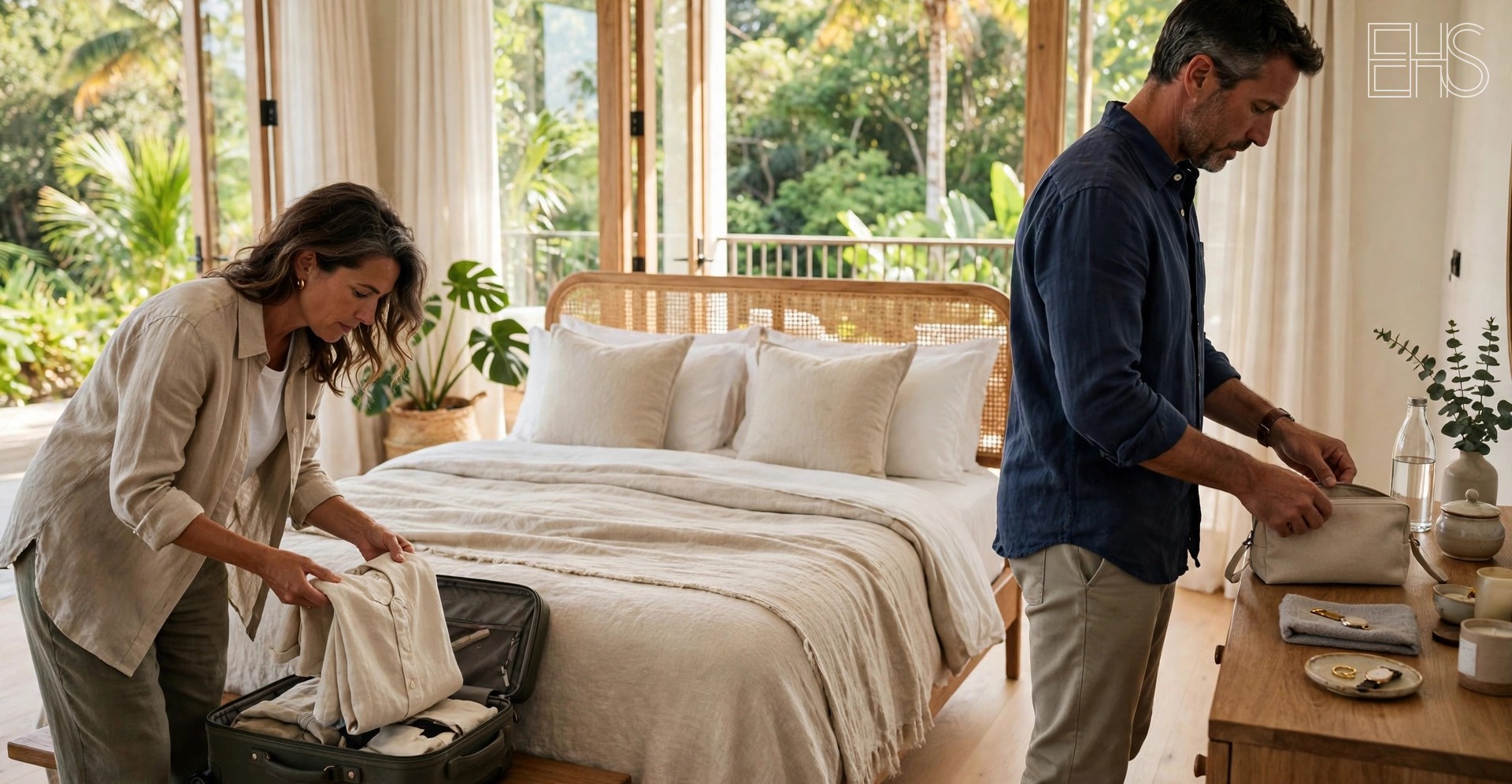
The most common packing mistake at a luxury wellness retreat is bringing the wrong trip: beach clothes to a fasting program, formal wear to a sandals-at-dinner property. The packing list follows the program, not the destination.
This guide is the complete checklist for how luxury retreats actually operate. Start with the property's pre-arrival list, add the program-specific gear below, and leave the rest at home. Prices mentioned are approximate. Verify current rates before booking anything.
Key takeaways - Check the property's pre-arrival list before buying anything: most luxury retreats provide robes, toiletries, yoga mats, and water bottles. - Pack two swimsuits and plan on rotation or laundry. Thermal circuits, cold plunges, and pool time keep swimwear in constant use. - Match the kit to the program: warm layers for fasting retreats, real hiking shoes for adventure-integrated properties, modest coverage for heritage houses. - What the property provides varies by style: destination spas are the most generous, resort immersions the most style-conscious. - Keep valuables, prescriptions, and one full day of essentials in your carry-on.
Start With the Property's List, Not a Generic One
Every serious retreat sends a pre-arrival packing list that outranks any general guide, including this one. Properties know their climate, dress norms, and room stock. Our framework for choosing between retreat styles covers the categories; the property's own list covers your week.
The spread between styles is wide: a heritage program house like Chiva-Som in Hua Hin runs on modest, practical dress, while a resort immersion like Six Senses Ibiza keeps evenings social with a dining dress code worth respecting. Read the pre-arrival note twice, build from the core list below, and ask the property the specific questions: is swimwear needed for every treatment, are hiking shoes provided for walks, what does the dining room expect after dark.
The Core List: What Nearly Every Retreat Requires
The shared skeleton of nearly every retreat week, regardless of style or continent:
- Two swimsuits. One is always drying: thermal circuits, cold plunges, pools, and beach access rotate swimwear more than any other item.
- Three to four workout outfits. Most programs run two to three movement sessions daily; moisture-wicking fabrics dry faster and pack smaller than cotton.
- Warm layers. Early sessions, air-conditioned studios, and fasting programs all run cold: a mid-weight fleece or knit plus a light rain shell covers most climates.
- Walking shoes with real support. Even spa-focused properties involve grounds, stairs, and garden paths. Break them in before the trip.
- Slip-on sandals. Spa floors, pool decks, and thermal areas expect easy-off footwear; bring your own pair even though many properties provide slippers.
- Sleepwear and a light robe layer. Personal sleepwear plus something to throw on for a private terrace.
- One or two evening outfits. Resort-casual: linen, knits, simple dresses. Nothing that needs ironing or a dry cleaner.
- A small day bag for excursions and sessions.
- Sun protection. Hat, sunglasses, and reef-safe sunscreen.
- A notebook and pen. Programs generate ideas worth capturing, and many retreats discourage phones in common areas.
Toiletries deserve a short note. Properties stock good products, often their own spa lines: bring only the non-negotiables (prescriptions, specific skincare, contact supplies). Leave the shampoo.
Packing by Retreat Style
Adjust the core list above by retreat style:
| Retreat style | Packing emphasis | Example property | Common overpack |
|---|---|---|---|
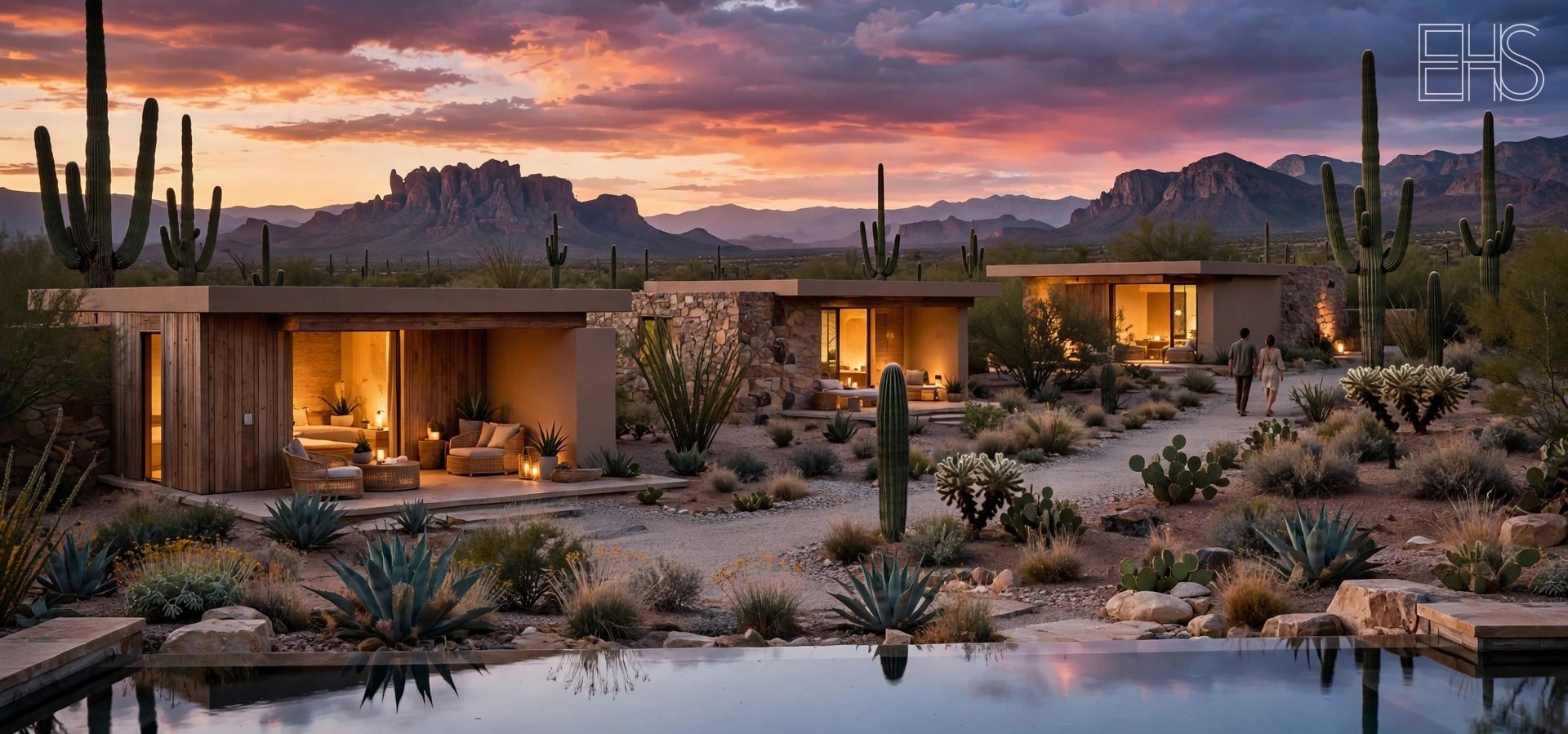
| Destination spa | Workout rotation, layers for early sessions | Canyon Ranch Tucson | Formal evening wear |
| Heritage program house | Modest coverage, warm layers, notebook | Chiva-Som Hua Hin | Swimwear beyond two suits |
| Resort immersion | Swimwear, resort-casual evenings | Six Senses Ibiza | Heavy hiking gear |
| Adventure-integrated | Trail shoes, weather shell, gloves | Miraval Arizona | City clothes for dinners |
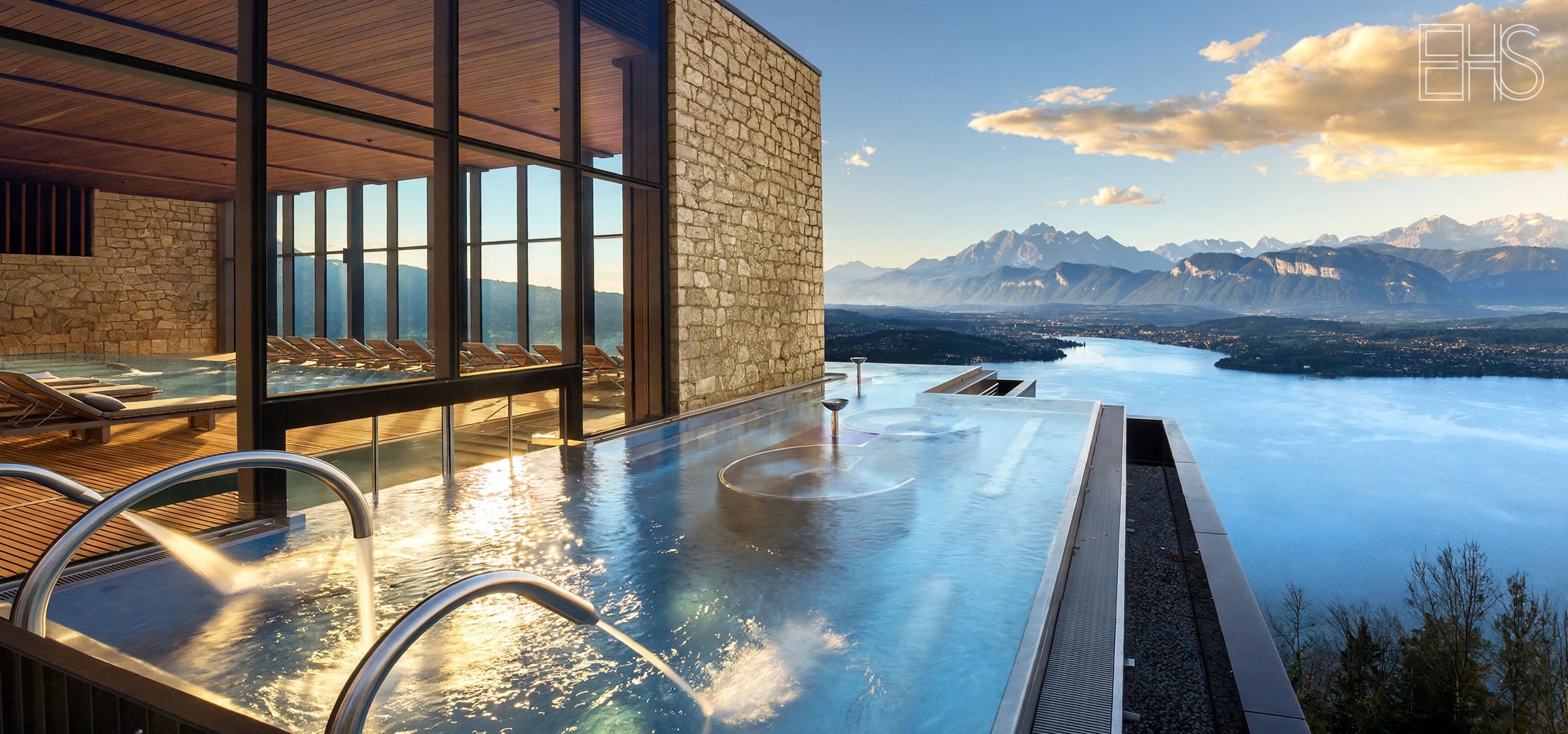
| Alpine spa | Warm mid-layers, swimwear for thermal circuits | Bürgenstock Alpine Spa | Light-only wardrobe |
Destination spas are the most generous: robes, slippers, toiletries, and often laundry credit are standard. Pack for the schedule, not the evenings.
Heritage program houses run quieter: modest coverage for communal dining, warm layers for fasting programs. Our breakdown of what a week at this price tier includes sets expectations.
Resort immersions reward the style-conscious: social evenings, real dress codes. The boutique sells anything forgotten, at boutique prices.
Adventure-integrated retreats are where technical gear earns its weight: broken-in trail shoes, a weather shell, and sun protection beat a third dinner outfit.
Alpine spas combine mountain weather with thermal bathing: pack for cold mornings and warm water.
Program-Specific Gear: Match the Kit to the Schedule
Scan your itinerary for these session types:
Thermal circuits and cold plunges. Saunas, steam rooms, and cold plunges appear in most programs now: two swimsuits minimum, three for a week of twice-daily circuits. A note on safety: heat, cold, and steam exposure is not for everyone. Start with short sessions, cool down between rounds, stay hydrated, and skip anything that feels wrong. Guests with a heart condition, or who are pregnant, should check with a qualified healthcare professional before using thermal facilities.
Fasting or reduced-calorie programs. Fasting weeks run cold: pack an extra warm layer beyond what the weather suggests. Modest, comfortable clothing suits communal dining rooms, and a book or journal matters more than usual, since unstructured hours are part of the design.
Movement-heavy days. Outdoor fitness blocks need broken-in shoes, not new ones; gloves help on cool mornings, and a small backpack beats a tote.
Quiet and spa days. Meditation cushions are provided; your own shawl and a proper journal fit the phone-free ethos. On treatment days, arrive in the provided robe and slippers, and leave jewelry in the room safe: oils and massage do not mix with watches and rings.
What to Bring vs. What the Property Provides
Duplicates waste luggage space; assumptions mean buying basics at resort prices. Standard practice at luxury-tier properties:
| Category | Bring your own | Usually provided | Worth confirming |
|---|---|---|---|
| Toiletries | Prescriptions, specific skincare, contacts | Shampoo, conditioner, body wash, lotion | Hair dryer quality |
| Robes and towels | Sleepwear | Bathrobes, pool and spa towels, slippers | Extra robe for couples |
| Workout gear | Shoes, workout clothing | Yoga mats, blocks, straps, water bottles | Mat hygiene standards |
| Swimwear | Two to three suits | Rarely provided | Suit dryer in room |
| Laundry | Travel detergent for hand washing | Often available, sometimes included | Cost per item and turnaround |
| Tech | Chargers, adapters, e-reader | Wi-Fi, sometimes in-room tablets | Phone-free zone policies |
Laundry makes a week work on four workout outfits: most properties offer same-day or next-day service. Pricing varies widely, roughly a casual lunch for a few items, so verify current rates if you rely on it. Some heritage houses include a laundry allowance in the rate.
Packing Strategy: Carry-On Thinking for a Long Stay
Pack as if the checked bag arrives late: the carry-on holds prescriptions plus a copy, travel documents, chargers, one workout outfit, one swimsuit, sleepwear, the notebook, and first-24-hour essentials.
Logistics notes:
- Liquids and powders. Decant skincare into travel sizes; the property stocks the basics anyway.
- Adapters and voltage. A universal adapter removes the question. Check voltage for hair tools before plugging in.
- Separate the program bag. Keep workout gear, swimwear, and the notebook in one packing cube. Retreat days move fast between sessions.
- Leave room on the way home. Retreat boutiques sell good products: spa lines, local crafts, books. A half-empty corner of the bag is a feature, not a failure.
What Not to Pack
The do-not-bring list matters as much as the list itself: luxury retreats are deliberately simplified environments.
- A full formal wardrobe. One smart-casual outfit covers every dinner at nearly every property. Tuxedos and gowns belong to a different trip.
- Heavy reading material. One book or an e-reader is plenty. Programs fill the days more completely than brochures suggest.
- The complete beauty arsenal. Hair tools beyond the basics, full makeup kits, strong fragrance. Shared wellness spaces favor light or no scent out of consideration for other guests.
- Work equipment. If work is truly unavoidable, one laptop and a clear boundary beats a mobile office. Many guests find the disconnection is the most valuable part of the week.
- Valuable jewelry. Room safes exist, but spa days, pools, and excursions multiply the chances of loss. Bring the pieces you will actually wear.
- Snacks and supplements. Properties plan food carefully, and outside food in dining rooms reads poorly. Mention medically necessary items at check-in.
The 48-Hour Checklist
Two days before departure, run through this list. It takes twenty minutes and prevents nearly every common packing failure.
- Re-read the property's pre-arrival list. Confirm what is provided and expected.
- Check the weather for the full stay, including overnight lows. Mountain and desert properties swing hard.
- Confirm travel documents, visas, and transfer arrangements with the property.
- Refill prescriptions; pack them in the carry-on with a copy.
- Verify cancellation terms and what the deposit covered, so checkout holds no surprises.
- Tell your bank about international travel if the property is abroad.
- Download offline maps and the property's app before leaving home Wi-Fi.
- Charge everything, pack the adapters, and put one full day of essentials in the carry-on.
Frequently Asked Questions
How many swimsuits should I pack for a wellness retreat?
Pack two as the minimum, three for a week of daily thermal circuits. One suit is almost always drying while the other is in use. Quick-dry fabrics help, but rotation is the real solution. Most rooms have a suit dryer or drying rack; laundry turnaround for swimwear is usually next-day.
Do luxury wellness retreats provide workout clothes or just robes?
Robes, slippers, towels, and quality toiletries are standard; workout clothing is almost never provided. Yoga mats, blocks, straps, and water bottles are provided for classes. Pack your own workout outfits and broken-in shoes, and confirm gear-dependent activities (like guided hikes) with the property before the trip.
What should I wear to dinner at a wellness retreat?
Destination spas and heritage houses keep dinners relaxed, with neat casual the norm. Resort immersions are the exception: real dress codes and social evenings, so pack one or two genuinely nice outfits. When in doubt, ask the property directly before the trip.
Can I do laundry during a week-long retreat?
Yes, nearly all luxury properties offer laundry, usually same-day or next-day: that is what makes a week work on four workout outfits instead of seven. Pricing varies widely, roughly a casual lunch for a few items, so verify current rates if you plan to rely on it. Some heritage houses include a laundry allowance in the program rate.
What do I need for a fasting retreat that I would not need otherwise?
Warm layers above all: fasting guests report feeling cold even in warm climates, so pack an extra fleece beyond what the weather suggests. Modest, comfortable clothing suits communal dining rooms. Bring a book or journal for the unstructured hours. Skip the snacks: properties plan fasting nutrition deliberately.
Should I bring my own yoga mat, water bottle, or journal?
Leave the mat and bottle: properties provide both. Bring the journal: programs generate reflections worth capturing, many retreats discourage phones in common areas, and a proper notebook beats a notes app. Strong preferences about mat or bottle type are small enough to pack without regret.