
Longevity, without the hype
Evidence reviews and plain-language explainers: what the studies actually support, and where the marketing runs ahead of the data.
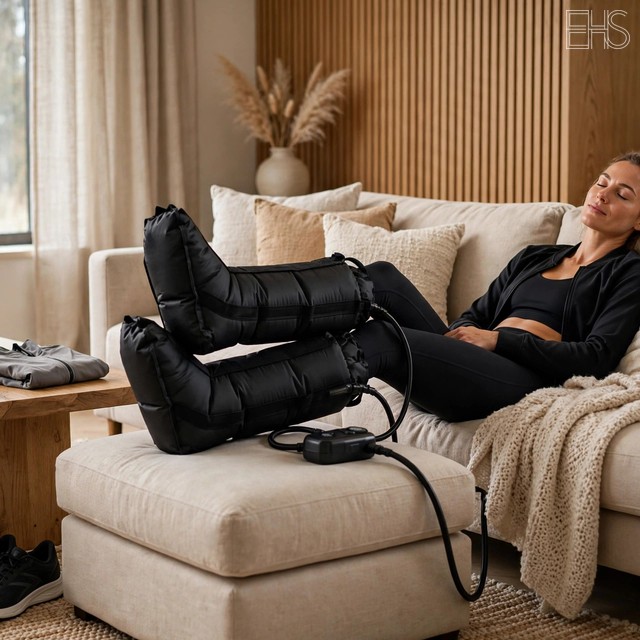
Compression does some real things, probably not the ones in the ads. What pneumatic compression boots actually change, how the placebo sneaks in, and what the evidence says about recovery.

Pulsed electromagnetic field therapy earned regulatory clearance for helping certain bone fractures mend, then migrated to full-body mats sold for home use. What the evidence supports, and where the claims run ahead of it.

Magnesium matters, but the distance between an essential mineral and the supplement everyone is missing is where the claims need grading: forms, evidence, and pricing reviewed claim by claim.
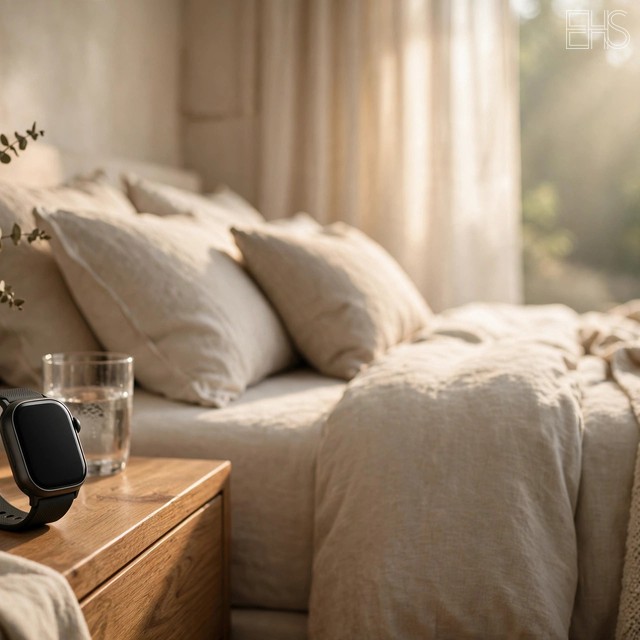
Consumer sleep trackers are good at estimating total sleep time, shaky at staging it, and best at revealing trends rather than truths. A claim-by-claim review of what the validation literature actually says.

The contrast-therapy fad needs less ceremony and more clarity about what the evidence actually supports. Soreness relief has some basis; the grander claims do not.

Good confidence for the immediate calming effects of slow breathing; low confidence for transformative claims. Techniques compared, hype retired, one small trial treated honestly.

The cellular and longevity claims are fascinating animal science awaiting human confirmation. What the trials actually support, and where the magic is really in the adherence.
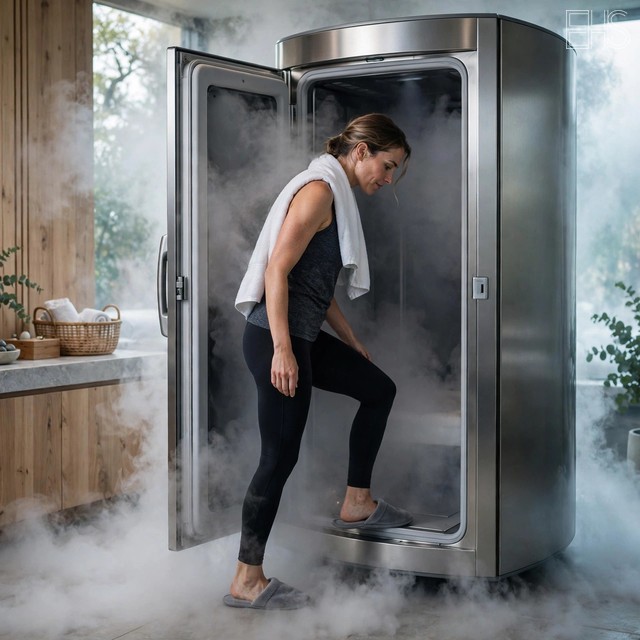
Chambers cool the skin through frigid air for two to three minutes; ice baths cool through water and are better studied. The difference matters more than the marketing admits.
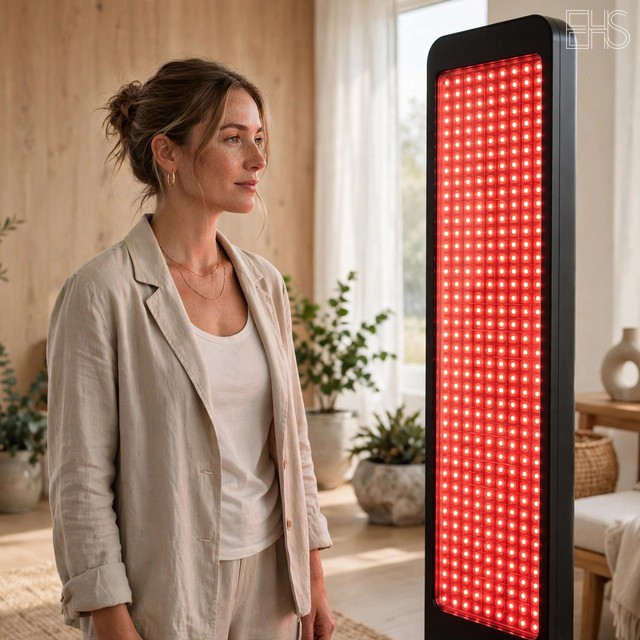
Red light therapy has one moderately supported application (skin appearance), one dose-sensitive one (exercise recovery), and a long tail of claims that range from thin to unsupported.

Soreness, mood, immunity, longevity: we grade each popular claim against the actual evidence.