Arizona has quietly become the capital of American wellness travel. The Sonoran Desert around Tucson and Scottsdale hosts three of the most influential wellness resorts in the country, each built on a different philosophy about what a wellness stay should actually be.
Canyon Ranch Tucson invented the American destination spa. Miraval Arizona refined the idea into mindful, all-inclusive luxury. Civana brought the model down to earth with a resort-plus-spa approach that costs a fraction of the other two. All three sit within roughly an hour of one another and trade on the same desert light and dry air. What differs is the pricing model, the programming, and the kind of traveler each one rewards.
This guide compares them honestly: the models, the signature experiences, what is genuinely included, and who each resort suits. Prices below are hedged on purpose, since these properties adjust rates seasonally and run frequent offers. Verify current rates before booking.
The Three Models at a Glance
| Canyon Ranch Tucson | Miraval Arizona | Civana | |
|---|---|---|---|
| Location | Tucson, Santa Catalina foothills | Tucson, Santa Catalina Mountains | Carefree, near Scottsdale |
| Model | All-inclusive with service credits | All-inclusive with nightly resort credit; nontipping | Room rate plus nightly experience fee; meals and spa extra |
| Typical nightly range | From around $1,000 to $1,500 per person | From around $1,300 per person | Rooms typically several hundred dollars per night, plus the fee |
| Best for | The committed wellness traveler who wants structure | The experience seeker who wants choice and calm | The wellness-curious traveler testing the waters |
Canyon Ranch Tucson: The Original Destination Spa
Canyon Ranch opened in Tucson in 1979 and essentially invented the American destination spa: not a hotel with a spa attached, but a place where the entire stay is organized around health. The campus covers 150 acres in the Santa Catalina foothills at roughly 2,800 feet of elevation, with a 40,000-square-foot spa, four pools, and trailheads leading directly into saguaro country.
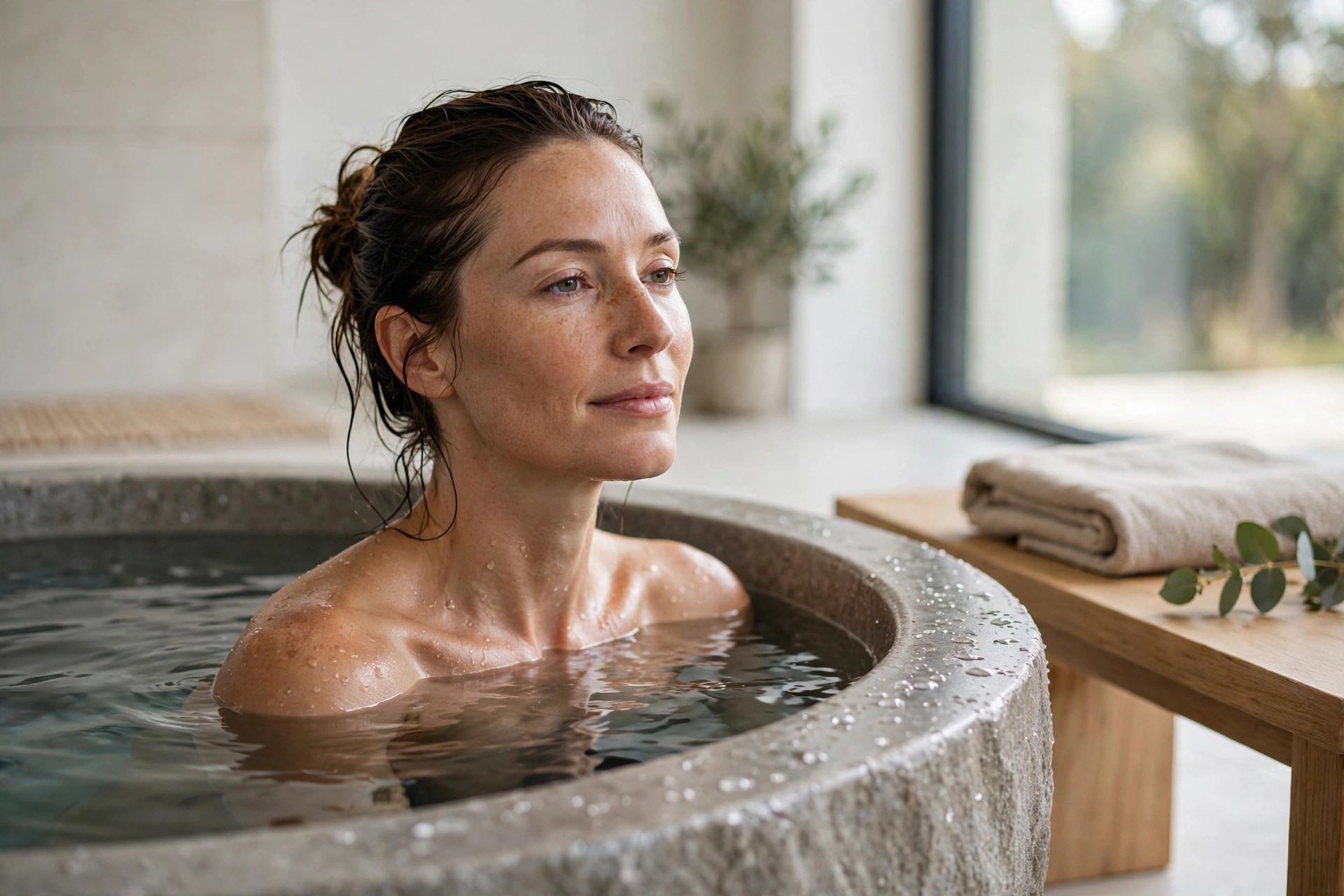
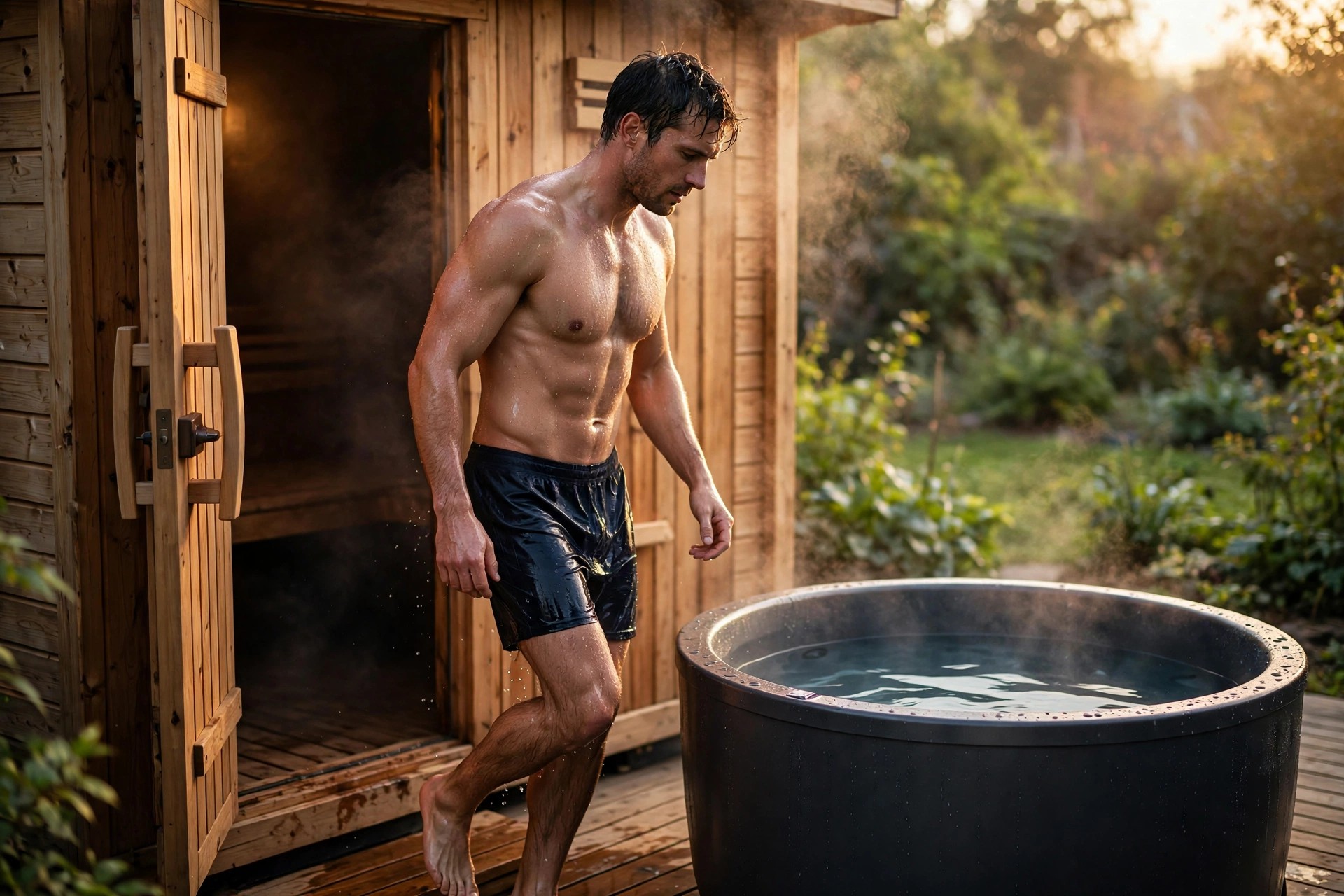
The model is all-inclusive with structure. The nightly rate covers accommodations, all meals (the kitchen has a decades-long reputation for making health food taste like actual food), and access to more than 35 complimentary daily activities: guided desert hikes, fitness classes, wellness lectures, meditation, and more. On top of that, guests receive service credits to spend across 200-plus paid offerings, from spa treatments to one-on-one nutrition sessions to medical consultations. The spa's thermal amenities include whirlpools and cold plunges. If you want background on the practice, our guide to contrast therapy protocols covers timing and expectations.
At the serious end of the market, Canyon Ranch runs dedicated longevity programming. Its LONGEVITY8 program has been listed at $22,000 per person or $40,000 per couple, bundling accommodation with diagnostics, consultations, and wellness programming. That is a different product from a spa week: closer to an executive physical with desert views. As with any intensive health program, discuss it with your own physician beforehand. No retreat can promise medical results.
Who it suits: travelers who want their days organized for them, who value credentialed health and nutrition experts on staff, and who are comfortable in a structured, adults-oriented environment (guests must be 14 or older). It is the least spontaneous of the three, and that is entirely the point.
Miraval Arizona: Mindful Luxury, All-In
Miraval sits on 400 acres at the foot of the Santa Catalina Mountains in northern Tucson, about twenty minutes from Canyon Ranch. Now part of Hyatt, it keeps a distinct identity: a quieter, more contemplative take on the destination spa, built around a "Life in Balance" philosophy.
The pricing model is genuinely all-inclusive, and the details matter. Packages bundle accommodations, all meals and nonalcoholic beverages, unlimited fitness, yoga, meditation and wellness lectures, shared transfers from Tucson International Airport, valet, and gratuities. Miraval is a nontipping resort, which removes an entire category of end-of-stay arithmetic. What varies by package is the nightly resort credit: typically around $175 per person per night on the standard Miraval package, rising to around $275 on the enhanced spa package. You spend the credit across the Life in Balance Spa's 100-plus treatments, equine experiences, culinary classes, and private sessions.
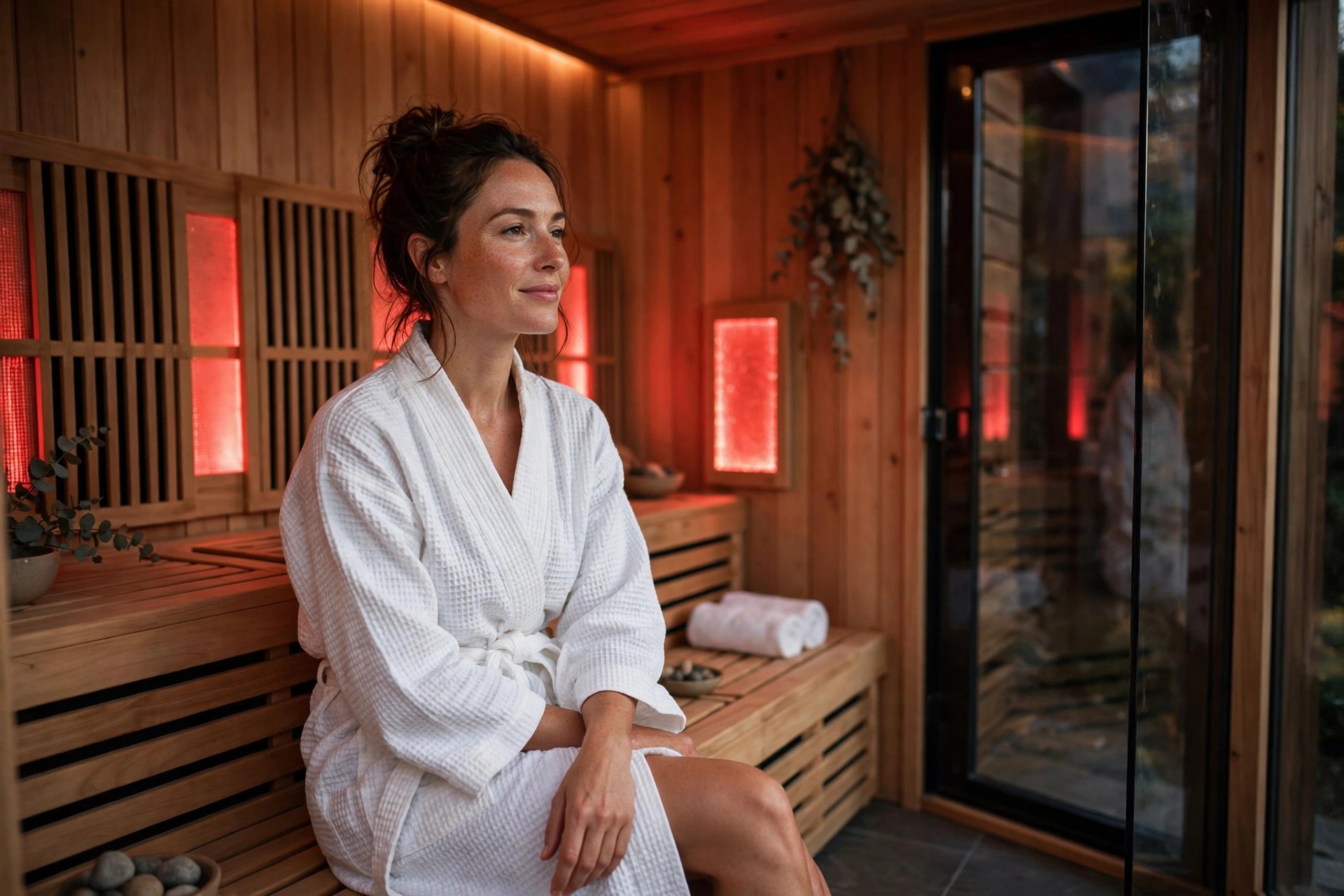
Signature experiences lean experiential rather than clinical. The challenge course and climbing wall, equine therapy, and outdoor adventure programming (hiking, mountain biking) are the differentiators; the spa covers the thermal side with saunas, hot tubs, and a cold plunge. Guests seeking a deep medical workup will find less of it here than at Canyon Ranch. Guests who want to feel restored without being scheduled to the minute will find considerably more.
Who it suits: travelers who want luxury without logistics, couples and friends traveling together (the social, non-clinical atmosphere welcomes it), and anyone who finds the idea of a nontipping, no-surprises final bill deeply relaxing in itself.
Civana: The Accessible Desert Reset
Civana, in Carefree just north of Scottsdale, is the youngest and most accessible of the three. Where Canyon Ranch and Miraval are destination spas you travel to specifically, Civana works like a very good wellness hotel: you book a room, pay a nightly experience fee, and build your own stay from there.
The experience fee covers the daily wellness programming (yoga, meditation, fitness classes, guided hikes, wellness talks), the fitness center, bikes, and resort amenities. Restaurant meals and spa treatments are extra. The spa is the centerpiece: a thermal circuit with sauna, steam room, salt pool, and cold plunge, plus treatment rooms and relaxation lounges. Day passes are available for non-guests, which tells you where the property's confidence lies.
Honesty requires the caveats. Guest reviews consistently praise the spa and the programming while being cooler on the rooms, which some describe as dated for the price, and on operational details: pre-booked classes carry a no-show fee (reported at around $15), popular classes fill quickly, and spa bills arrive with gratuity auto-added at around 20 percent. Verify the current experience fee, class policies, and gratuity practice before booking, since all of them change.
Who it suits: the wellness-curious traveler who wants a long weekend rather than a life overhaul, Scottsdale-area visitors who want a spa-forward hotel, and anyone sampling destination-spa travel before committing to the five-figure tier.
The Desert Is Part of the Experience
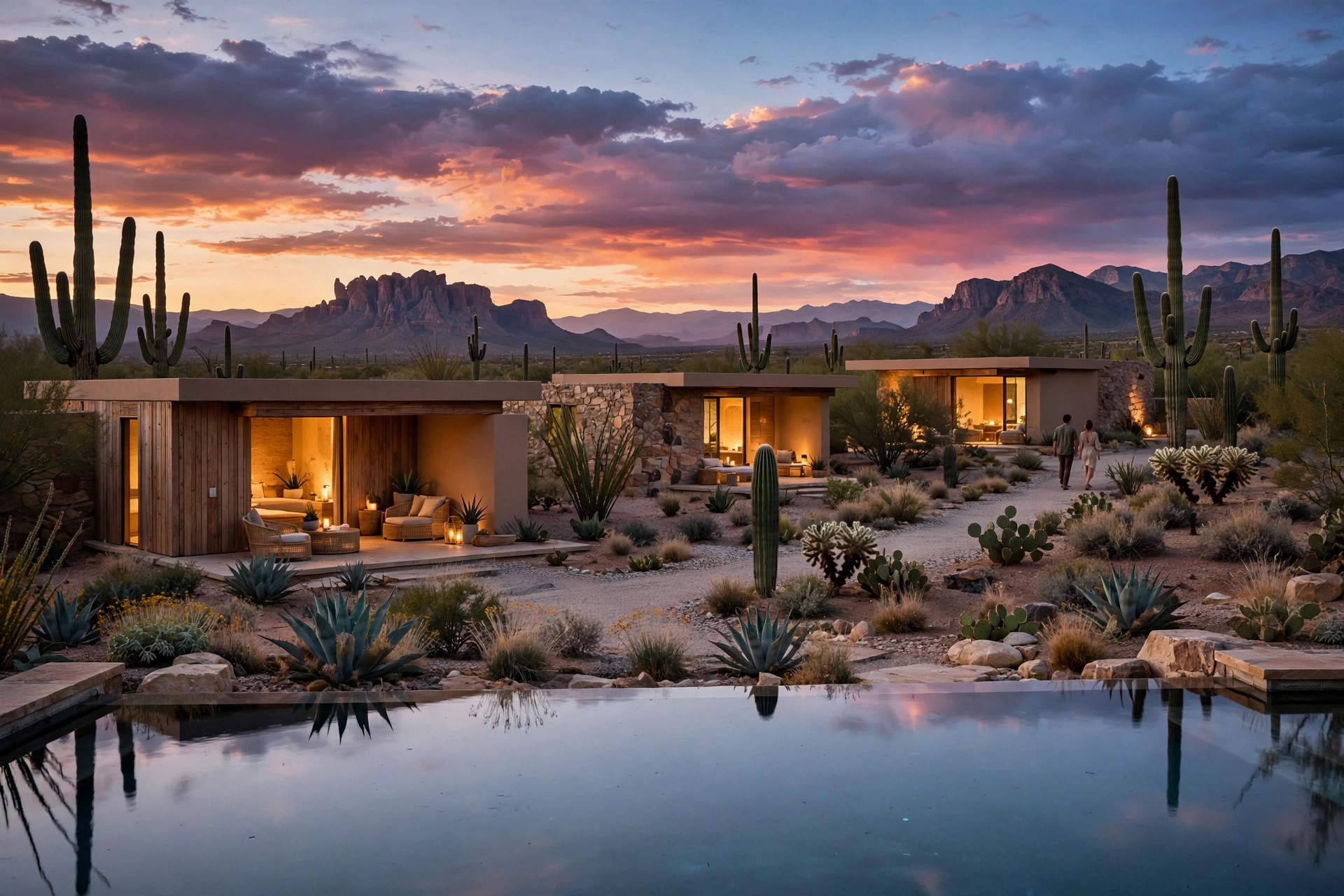
All three resorts trade on the same asset: the Sonoran Desert. Tucson averages more than 300 days of sunshine a year, extremely low humidity, and night skies dark enough for genuine astronomy programming. Dry heat, dramatic monsoon-season skies, and a landscape that makes doing nothing feel like an activity: the desert climate is part of the pitch.
Two practical notes. First, summer is seriously hot. Daytime temperatures regularly exceed 100°F (38°C), which is exactly why rates drop and the resorts run their best offers from June through September. Schedule outdoor activity for early morning and treat the heat with respect, particularly if you have cardiovascular concerns. Consult your physician about heat exposure if you have any doubt. Second, the elevation and dryness dehydrate quickly. Every resort pushes water constantly, and you should listen.
What a Week Really Costs
Nobody publishes a single "week at the resort" price, because the models differ too much. Here is an honest translation into comparable terms, every figure hedged. Verify current rates before booking.
| Canyon Ranch Tucson | Miraval Arizona | Civana | |
|---|---|---|---|
| Pricing model | All-inclusive nightly rate plus service credits | All-inclusive package plus nightly resort credit | Room rate plus nightly experience fee; meals and spa extra |
| Typical nightly range | From around $1,000 to $1,500 per person | From around $1,300 per person | Rooms typically several hundred dollars per night, plus the fee |
| Five-night estimate | Roughly $5,000 to $7,500 per person before extra treatments | Roughly $6,500 per person with credits applied | Roughly $2,500 to $4,000 per person with a few treatments and meals |
| Top-end programs | LONGEVITY8 listed around $22,000 per person | Private and specialty programming on request | No medical tier |
For a deeper breakdown of how these models compare with European longevity clinics and ultra-premium immersions, see What Luxury Wellness Retreats Really Cost.
Which Resort Suits You?
Choose Canyon Ranch Tucson if you want the most comprehensive health offering in Arizona and are considering the medical or longevity track. Choose Miraval Arizona if you want true all-inclusive simplicity and a calmer, more experiential atmosphere. Choose Civana if you want a long weekend rather than a full program, or prefer to choose (and pay for) treatments a la carte at roughly half the nightly cost of the other two.
One more consideration: none of these is a medical facility in the European sense. For physician-led longevity programs with deep diagnostics, the comparison set is places like SHA Wellness Clinic in Spain or Buchinger Wilhelmi in Marbella, covered in our guide to the best longevity clinics in the world. Arizona is where you go to reset. Europe is where you go to be measured.
Frequently Asked Questions
Which Arizona wellness resort is best for a first-timer?
For most first-timers, Miraval Arizona is the easiest entry point. The genuinely all-inclusive pricing means no budgeting anxiety during the stay, the atmosphere is welcoming rather than clinical, and the range of activities lets you sample everything without committing to a philosophy. Civana is the lower-cost way to test whether you enjoy the format at all. Canyon Ranch suits first-timers who already know they want structure and expert guidance.
Are Canyon Ranch and Miraval really all-inclusive?
Both bundle far more than a typical resort: accommodations, all meals, group programming, transfers, and (at Miraval) gratuities are included in the package rate. What is not unlimited is the paid tier: spa treatments, private sessions, equine experiences, and medical consultations draw down your nightly credit, and anything beyond the credit costs extra. Read the package inclusions line by line, and budget for the treatments you know you will want.
When is the best time of year to visit an Arizona wellness resort?
October through April offers the classic desert experience: warm days, cool nights, and ideal hiking weather. This is also peak season, with the highest rates and fullest calendars. May and September are shoulder months with real value. June through August brings intense heat (often above 100°F) and the lowest rates; the resorts are built for it, with early-morning programming and extensive water amenities, but plan outdoor activity accordingly.
Can I use the spas without booking an overnight stay?
Policies differ. Civana sells spa day passes to non-guests, making it the easiest option for a single spa day. Canyon Ranch and Miraval are structured around overnight destination stays, and day access is limited or unavailable. If a day visit is the goal, confirm directly with the property before planning around it.
Do these resorts offer real medical or longevity programs?
Canyon Ranch is the strongest of the three on this axis, with physician consultations, health assessments, and the LONGEVITY8 program (listed around $22,000 per person). Miraval focuses on wellbeing rather than medicine, and Civana does not operate a medical tier. None of them matches the diagnostic depth of the European medical wellness clinics. If your priority is comprehensive testing, compare with the European options and discuss any intensive program with your own doctor first.
How far in advance should I book?
For peak season (October through April), book two to three months ahead for the best room selection, and earlier for specific practitioners or program dates. Holiday weeks sell out well in advance. Summer travelers can often book a few weeks out and may find the best promotional offers. For a top-end program like LONGEVITY8, start the conversation with the resort's experience team early: these involve health screening and planning that should not be rushed.