Every luxury wellness retreat publishes a schedule, a packing list, and a map of the grounds. Almost none publish the rules that actually govern the week: how quiet is quiet, who talks at dinner, what you wear to the thermal circuit, whether you tip.
This guide collects the unwritten rules as they operate across destination spas, heritage program houses, resort immersions, and alpine thermal properties.
Key takeaways - Silence is the default setting in shared spaces: keep voices low in thermal areas, treatment waiting rooms, and meditation spaces, and save conversation for meals and lounges. - The thermal circuit runs on hygiene and brevity: shower before entering, sit on a towel, keep sessions short, and give others space. - Phones stay in the room: photography in shared areas is the fastest way to make other guests uncomfortable. - Tipping norms vary by region and property type: check the pre-arrival notes, since many destination spas add a service charge and heritage houses often discourage tipping entirely. - When in doubt, watch the returning guests: they know the house rhythms and will show you, without a word, how the week works.
Silence Is the House Currency
The single most consistent norm across every retreat style is quiet. Corridors, thermal suites, treatment waiting areas, and gardens are quiet zones at nearly every serious property. Conversation belongs in the dining room, the lounge, and on guided walks where the group has chosen to be social.
This matters more than newcomers expect because sound carries differently in retreat architecture: stone, water, and high ceilings amplify a normal speaking voice. Two guests chatting at full volume by the vitality pool can be heard across the entire thermal suite. Keep your voice at half of what feels natural for the first day; most guests calibrate quickly.
The Dining Room Has Its Own Rules
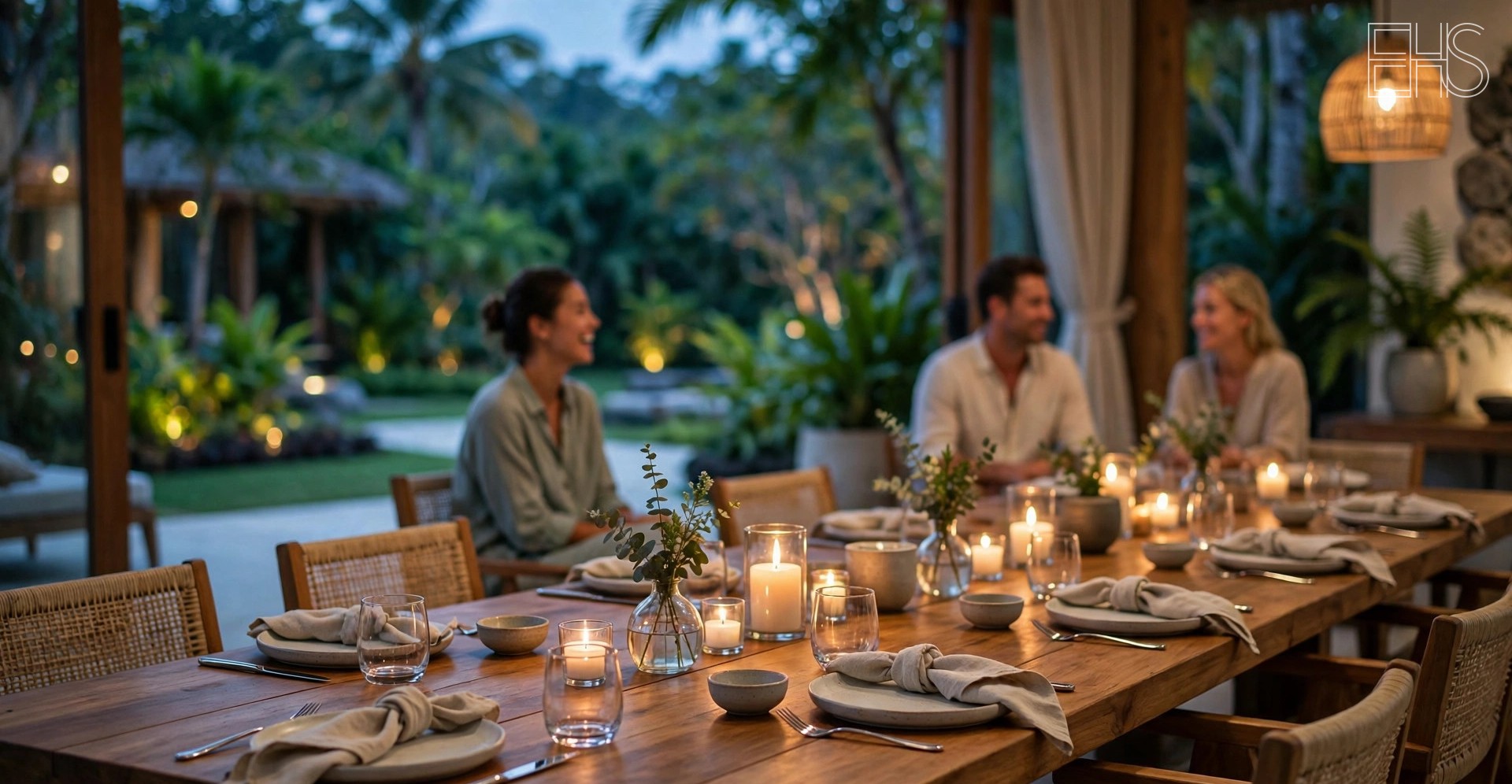
Retreat dining rooms split into two cultures, and reading the room on night one saves the whole week. Some properties run communal tables where conversation is the point; others seat guests at small private tables in near silence, especially at breakfast. Neither is better, but they demand opposite behavior.
At communal tables, the norms are simple: introduce yourself, keep shop talk and phones away. Avoid giving unsolicited advice about anyone's health, diet, or program choices.
At quiet properties, breakfast is frequently silent by design. Respect it completely: no phone calls at the table, no loud greetings across the room. If you need to take a call, step outside. Do not comment on what anyone else is eating: programs are often built around specific nutrition frameworks, and our guide to choosing the right retreat style explains which run the strictest protocols.
Thermal Circuits: Sauna, Steam, and Plunge
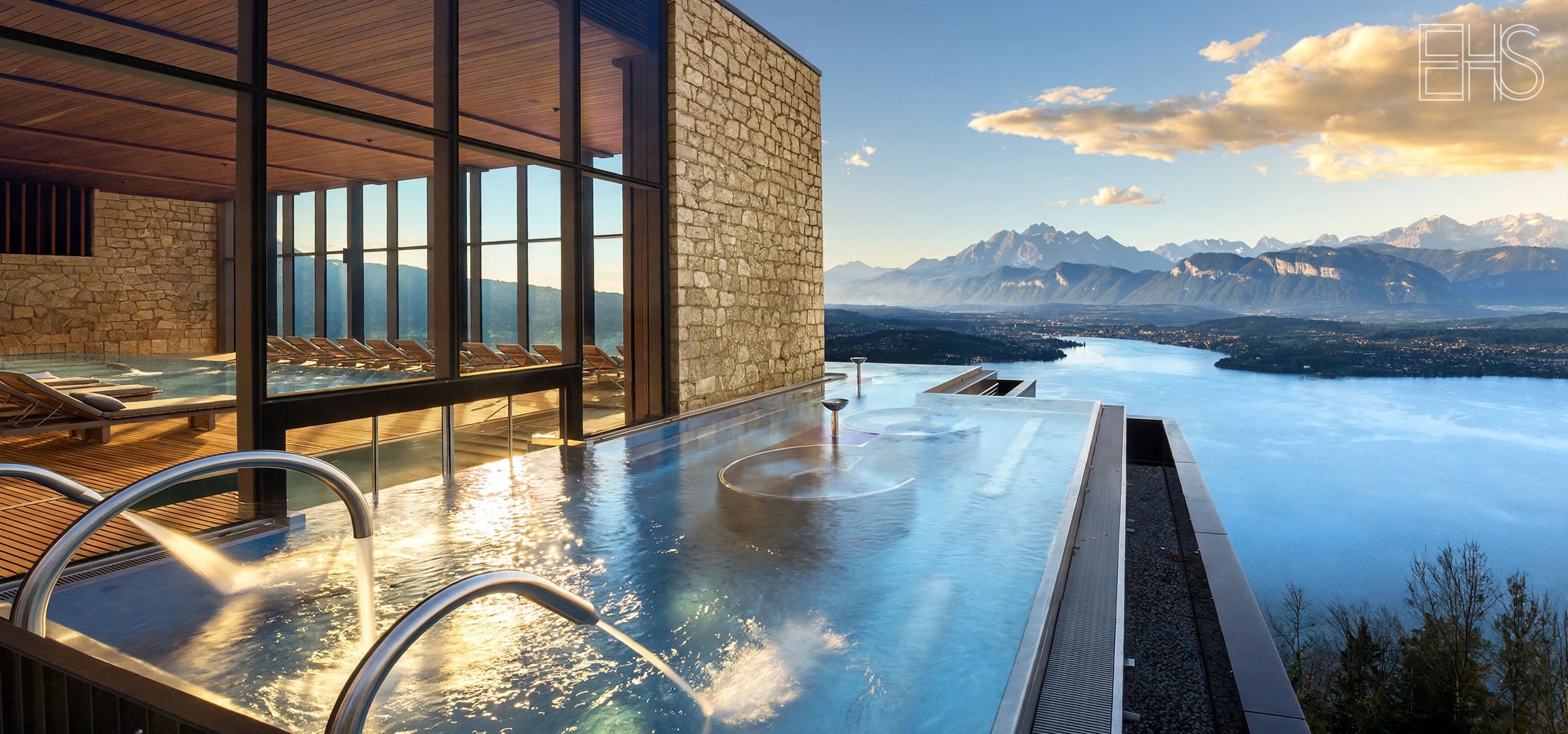
The thermal suite is where etiquette is most codified and most often broken. The rules below hold across Finnish saunas, steam rooms, hammams, and cold plunge areas, with local variations noted.
Shower before you enter. Every thermal circuit expects a rinse first: it keeps the water and benches clean for everyone. Most properties place the showers directly at the suite entrance; use them.
Sit or lie on a towel. In saunas especially, no bare skin on shared benches. Properties provide towels at the entrance; take two, one to sit on and one to dry off with.
Keep sessions short and make space. Thermal bathing works in rounds: heat, cool down, rest, repeat. Do not camp in the sauna while others wait outside.
Mind the cold plunge queue. Cold plunges have become the social centerpiece of many thermal suites, and the etiquette is still settling. Rinse off before entering, keep your immersion to a few minutes, towel off before heading back to heated areas, and keep conversation low: other guests are often managing their breathing and focus.
A word of caution on thermal bathing: sauna, steam, and plunge sessions do not suit everybody. Begin with brief rounds, rest and rehydrate between them, and stop if anything feels wrong. Guests managing a heart condition, or who are pregnant, should speak with a qualified healthcare professional before using heat or cold facilities.
The Finnish tradition deserves respect. In Finnish-style saunas, stillness is the norm and conversation stays minimal: our guide to Finnish sauna traditions covers the customs in depth. Pouring water on the stones (loyly) is welcome where a bucket is provided, but ask first if others are present: not everyone wants the extra heat.
Treatment Rooms: Arrive Ready, Leave Quietly
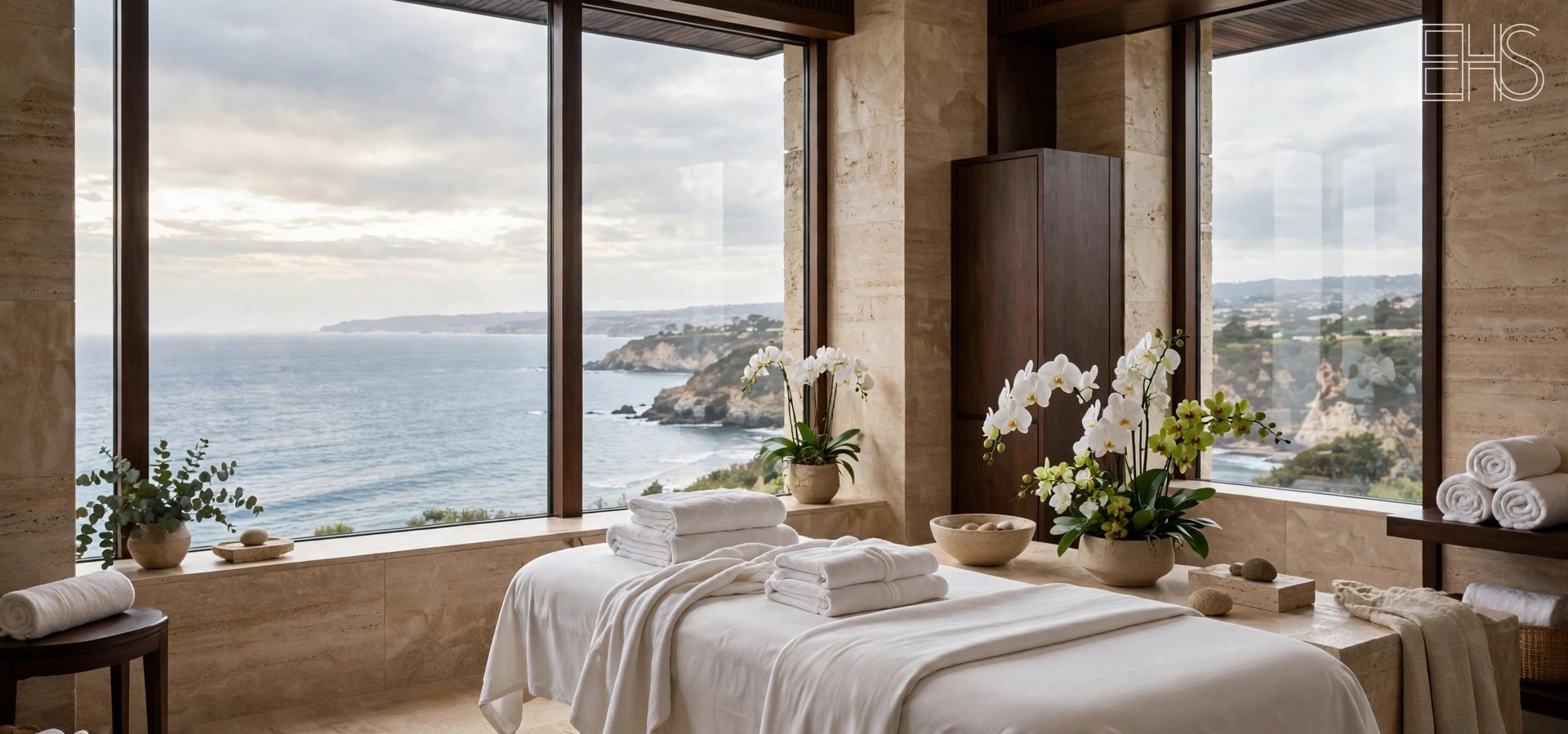
Arrive five to ten minutes early, showered, and without strong fragrance. Treatment rooms run on precise schedules; arriving late shortens your session, not the next guest's. Turn your phone fully off, not just silent, and leave it in your room or the provided locker.
During the treatment, communicate clearly at the start about pressure, temperature, and areas to avoid, then relax.
Afterward, the relaxation room is a quiet zone: sip the tea, rest, and keep voices down. Gratuity norms vary: many destination spas add a service charge, while European thermal properties often expect a small cash tip. Check the pre-arrival notes rather than guessing.
Phones, Cameras, and the Unplugged Rule
The phone rule is the most violated and the most resented when broken. The norm at serious retreats: phones stay in the room. Not on silent in your pocket, not face-down at lunch, in the room. Common areas, thermal suites, studios, and dining rooms are phone-free at the properties that take this seriously, and guests notice violations immediately.
Photography deserves its own warning. Never photograph other guests, in any area, for any reason. A quick photo of your own treatment room before the practitioner arrives is usually tolerated. If you want shots of the property, ask the front desk when the quiet hours are. Some guests are public figures, some are simply private people on a rare week off: the camera stays away from both.
If you must stay reachable for work or family, tell the front desk on arrival: most properties will hold urgent messages, and many offer a single designated phone-friendly lounge.
What to Wear, and When It Matters
Dress codes at retreats are relaxed but not absent. Daytime is simple: workout clothes, swimwear with a cover-up, comfortable layers. The provided robe and slippers cover the transitions between room, thermal suite, and treatment rooms at most properties.
Evenings are where norms diverge. Destination spas and heritage houses keep dinners casual. Resort immersions are the exception with real dress codes and social evenings; our packing guide details the differences by property style.
Swimwear norms in thermal areas vary by country. In German and Austrian thermal traditions, many sauna areas are textile-free; in most other regions, swimwear is expected everywhere. The property's signage is definitive: follow it without debate, and when unsure, ask at the spa reception before entering.
Tipping Without the Awkwardness
Tipping is the norm guests ask about most and properties explain least. The honest answer: it depends entirely on region and property type, and the pre-arrival notes are the authority.
At North American destination spas, a service charge of 18 to 22 percent is commonly added to treatments and sometimes to the overall stay; additional cash tipping is optional and modest. At European thermal and heritage properties, tipping is lighter: small amounts for exceptional treatment work, little or nothing elsewhere, and some program houses discourage it on principle. In Asia, practices vary widely by property: follow the local guidance in your confirmation documents.
Two principles travel well everywhere: never tip in a way that draws attention, and never ask another guest what they tipped. If the policy is unclear, a discreet question at checkout resolves it. Pricing for treatments and programs is approximate everywhere in this category: verify current rates before booking.
Retreat Etiquette by Property Style
Norms shift by property style. The table below summarizes the key differences so you can calibrate before arrival, drawn from standard property policies and long-running guest conventions.
| Property style | Noise norm | Dining culture | Tipping norm | Phone policy |
|---|---|---|---|---|
| Destination spa (e.g. Canyon Ranch) | Quiet in spa areas, social at meals | Communal tables common, conversation welcome | Service charge often included | Room-only at most properties |
| Heritage program house | Near-silent in shared spaces | Silent breakfasts common | Often discouraged | Strictly room-only |
| Resort immersion | Relaxed, social | Dress codes, lively evenings | Standard regional practice | Discreet use tolerated |
| Alpine thermal spa | Quiet in thermal halls | Mixed, often private tables | Light, cash for treatments | No phones in thermal areas |
| Adventure-integrated | Casual, outdoorsy | Communal, hearty | Standard regional practice | Practical use on excursions |
When Someone Else Breaks the Rules
It will happen: a phone rings in the relaxation room, a loud conversation fills the sauna. The retreat norm is indirect: speak to staff, not to the guest. Every property has a practiced, discreet way of intervening.
The one exception is safety: if someone looks unwell in a sauna or plunge, alert staff immediately. Otherwise, assume good intent and a first visit. Most breaches come from unfamiliarity, not rudeness, which is exactly why guides like this one exist.
Frequently Asked Questions
Is it rude to talk in the sauna at a wellness retreat?
It depends on the tradition, but the default is quiet. Finnish-style saunas expect near silence, and most luxury thermal suites follow that norm. Brief, low-volume exchanges are tolerated at social resort properties, but long conversations are not. Watch the regulars for ten minutes before deciding. When in doubt, stay quiet: nobody has ever been resented for silence in a sauna.
Do I have to participate in group activities and communal meals?
No, and saying so is itself good etiquette. Most retreats let you shape your own schedule: join the group hike, skip the afternoon workshop, take dinner in your room. Tell the program coordinator at the start of the week rather than no-showing. Properties plan staffing and food around headcounts, so a quiet word in advance is the courteous move.
How do I handle the phone-free policy if I am expecting an important call?
Tell the front desk on arrival and leave your phone with them or in your room on loud. Properties handle this routinely: they will find you discreetly if the call comes. Many also designate one lounge where limited phone use is acceptable. Do not carry the phone "just in case" through quiet areas; the policy works because everyone follows it, and exceptions are visible.
Should I tip at an all-inclusive wellness retreat?
Check the pre-arrival notes first, because norms split by region. North American destination spas commonly add a service charge of 18 to 22 percent, making extra tipping optional. European heritage houses often discourage tipping entirely. Asian properties vary. When the policy is unclear, ask discreetly at checkout. Never tip performatively and never compare notes with other guests.
What should I do if another guest is being disruptive?
Speak to staff, not to the guest. Retreat teams intervene discreetly dozens of times a week and prefer to handle it themselves. The exception is safety: if someone seems unwell in a sauna, steam room, or plunge pool, alert staff immediately. Most disruptions come from unfamiliarity rather than rudeness, so give fellow guests the benefit of the doubt.
Are children allowed at luxury wellness retreats, and what is the etiquette if they are?
Most destination retreats are adults-only or strongly adult-oriented, and the few family-friendly properties designate specific weeks or areas. If children are present, the same quiet norms apply in thermal and treatment areas. Check the property's age policy before booking: arriving with children at an adults-only property is the one etiquette breach no amount of charm fixes.