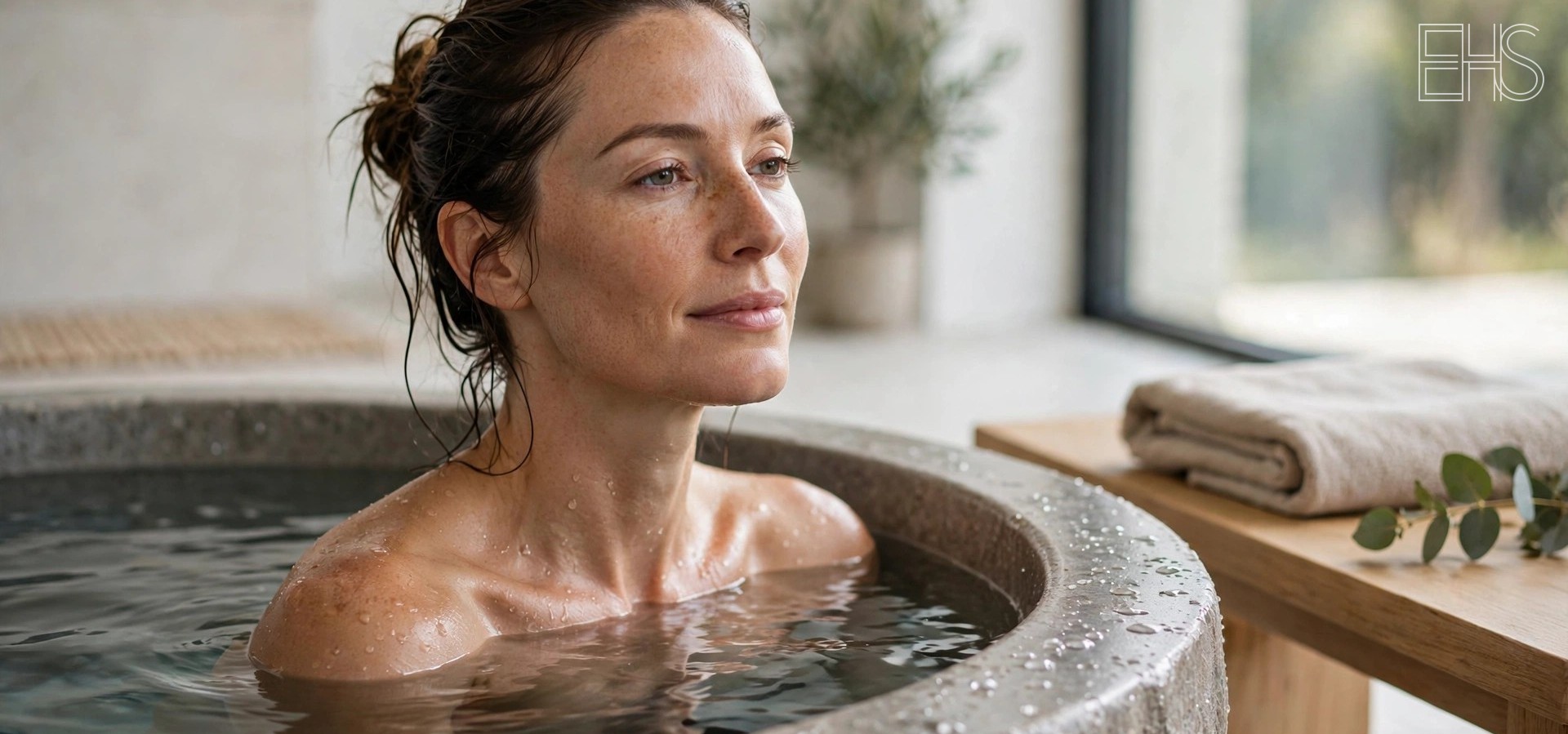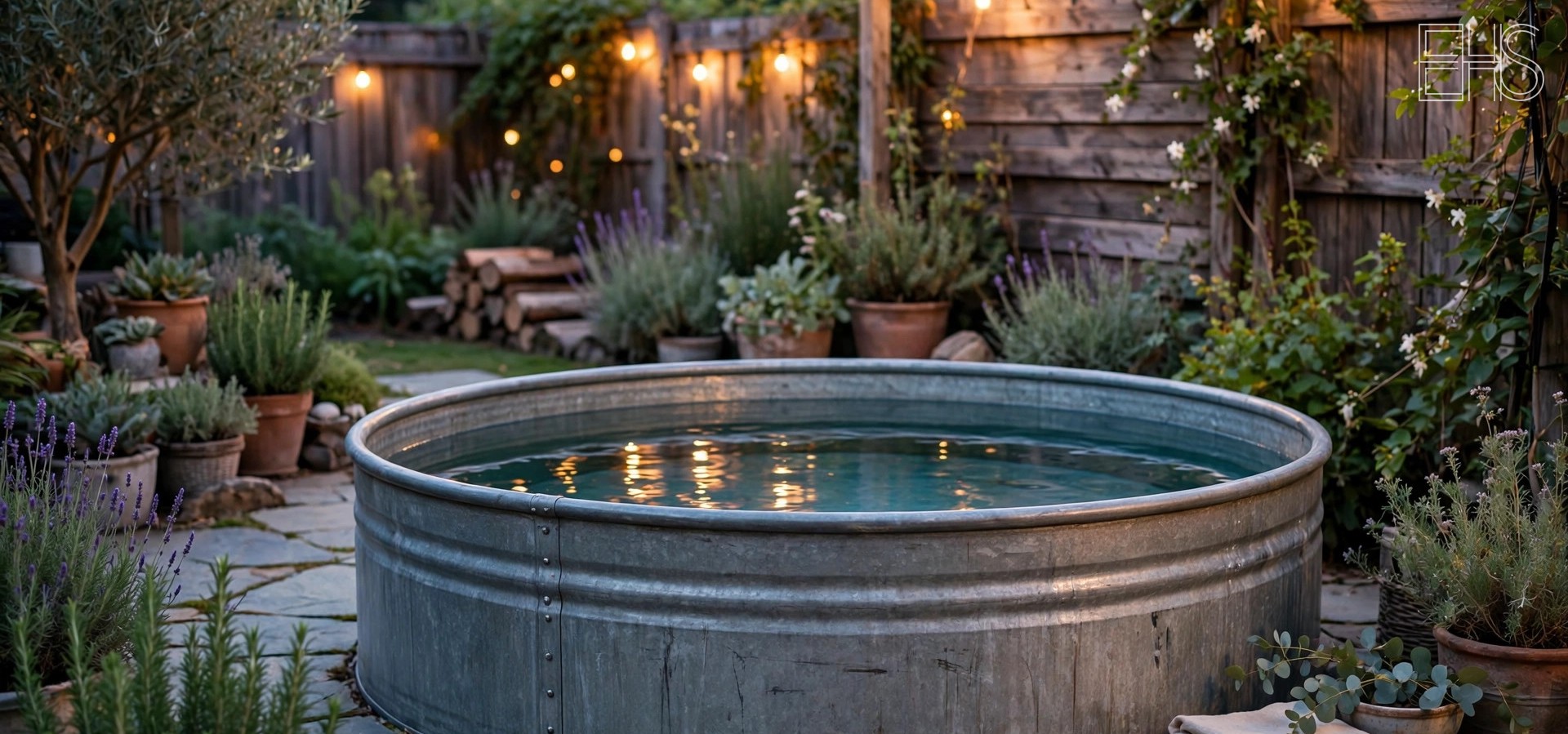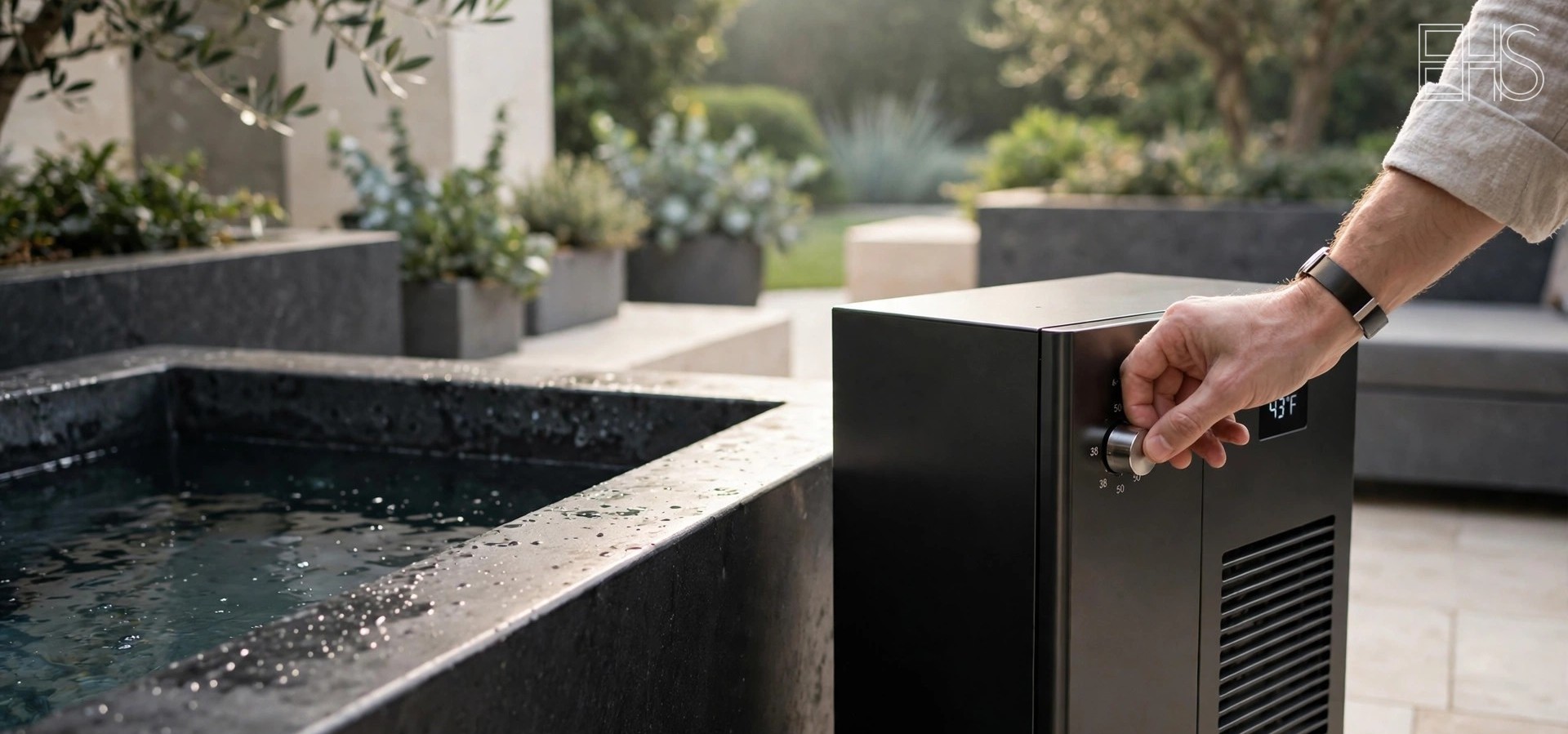
Beneath the marketing, a cold plunge tub is a vessel that must hold cold water, resist the elements, look good doing it, and survive years of temperature cycling. The material it is made from decides most of that. Acrylic, rotomolded plastic, stainless steel, wood, and inflatable composites each carry a distinct profile of insulation, durability, maintenance, and presence. This guide compares them on ownership terms, not showroom terms.
A quick note: cold immersion does not suit everyone. Begin gradually, keep first sessions brief, and pass on the plunge when you are feeling unwell.
Acrylic: The Finished Look
Acrylic tubs are the visual standard of the premium plunge market. Thermoformed over molds, finished smooth and glossy, they look like they belong in a designed bathroom or a high-end spa deck. Most acrylic tubs are backed with fiberglass reinforcement and some degree of foam insulation between the shell and the outer cabinet.
Strengths. Appearance is the headline: acrylic takes color well, cleans easily, and photographs beautifully. The smooth nonporous surface resists staining and is simple to wipe down. Well-built acrylic tubs with proper insulation hold temperature respectably, and the material tolerates years of use without fading or chalking when kept out of harsh sun.
Weaknesses. Acrylic is a surface, not a structure: it can crack or craze under impact or if the tub flexes on an uneven base, so the support structure and leveling matter. It is also the material most associated with premium pricing, with quality acrylic tubs typically listed from around $2,000 for the tub alone, before the chiller. Repairs to cracked acrylic are possible but visible. As always, verify current rates before booking or buying, since pricing moves with promotions and seasons.
Best for: owners who want the tub to look like furniture, indoor or covered-patio placements where appearance matters.
Rotomolded Plastic: The Workhorse
Rotomolded (rotationally molded) polyethylene is the same construction used for premium coolers and kayaks: thick-walled, seamless, and nearly indestructible. Many mid-tier plunge tubs use rotomolded shells, often with foam-filled walls for insulation.
Strengths. Durability is exceptional: rotomolded tubs shrug off impacts, UV exposure, and temperature cycling that would stress other materials. The thick walls provide genuine insulation, which directly reduces chiller workload. They are lighter than steel, easier to move, and priced accessibly, with many quality tubs listed from around $800 to $1,500 before cooling.
Weaknesses. The aesthetic is utilitarian: textured plastic reads as equipment, not furniture, which limits its appeal in designed interiors. Dark colors can get hot in direct sun (though the insulation mitigates the effect on water temperature). Repairs to punctures are possible with plastic welding but rarely invisible.
Best for: garages, backyards, and buyers who prioritize durability and insulation value over appearance.
Stainless Steel: The Statement
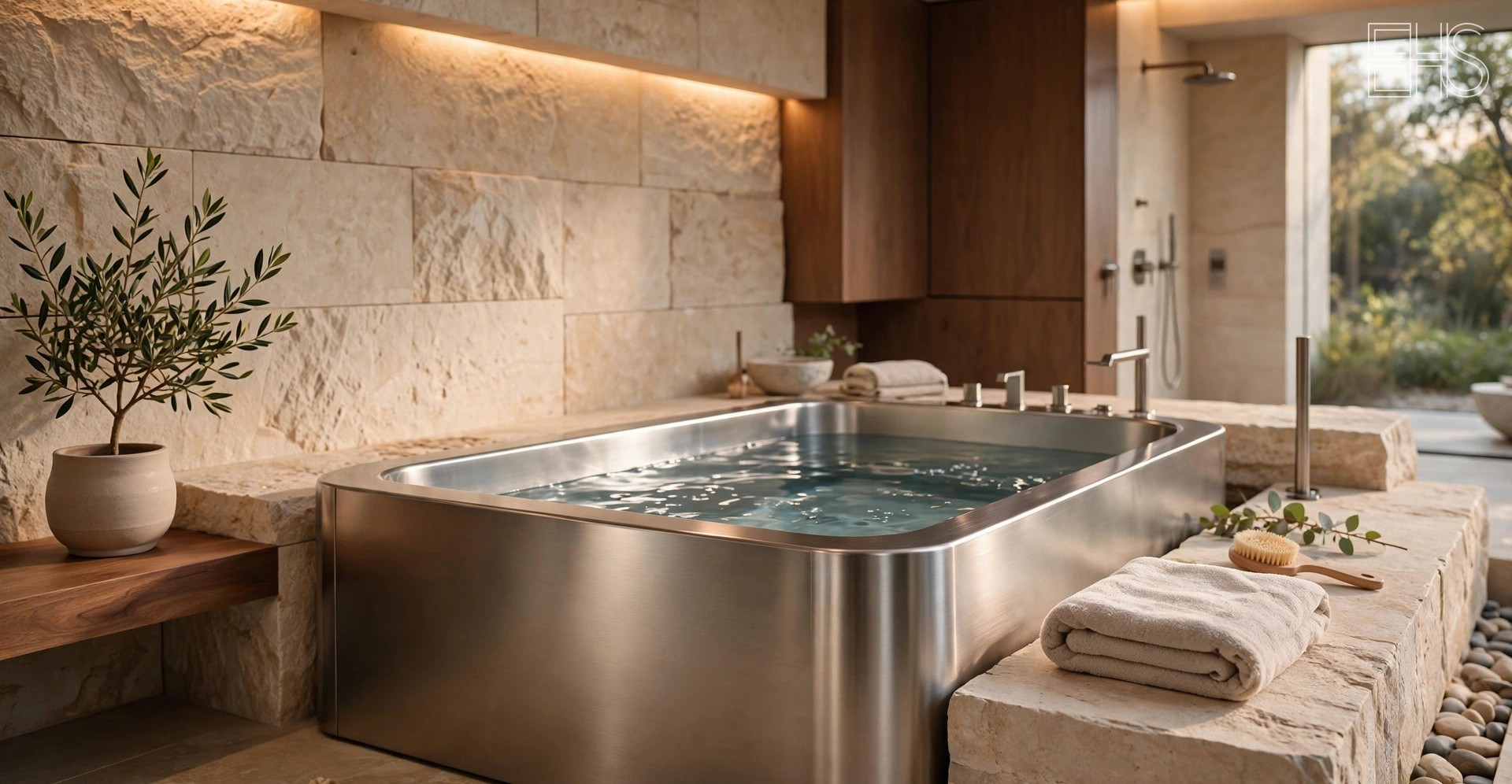
Brushed or polished stainless steel tubs occupy the design-forward end of the market: architectural, precise, and unmistakably premium. Most are fabricated from marine-grade stainless with welded seams, sometimes paired with wood or composite exterior cladding.
Strengths. Nothing else looks like it. Stainless is nonporous, easy to sanitize, and resists corrosion when the grade is right (316 marine grade for chlorinated or salt-treated water; 304 suffices for plain water with proper care). It lasts decades with minimal degradation and pairs naturally with modern bathroom stone and tile.
Weaknesses. Metal conducts heat, which is the material's fundamental tradeoff: without excellent insulation around the steel shell, the chiller works harder than it would with an insulated plastic tub. Stainless tubs are heavy, expensive (typically listed from around $3,000 and rising well above that for fabricated designs), and show water spots and fingerprints unless the finish is brushed. Weld quality varies enormously between fabricators, so provenance matters.
Best for: design-led interiors and buyers who treat the tub as architecture and accept the insulation and price tradeoffs.
Wood: Cedar and the Traditionalists
Wooden tubs, usually Western red cedar or similar rot-resistant species, bring the material warmth of a sauna into the cold plunge. Built like barrels or hot tubs with staves, hoops, and benches, they are the most atmospheric option and the most demanding.
Strengths. Cedar is naturally insulating and naturally beautiful, aging to a silver patina outdoors or holding its color with treatment. Wood tubs feel crafted rather than manufactured, and the material has a long tradition in bathing culture. Prices vary widely with craftsmanship, typically listed from around $1,500 for simple builds to several thousand for coopered work.
Weaknesses. Wood requires the most maintenance of any material: it must stay wet to stay sealed (drying out causes leaks between staves), it needs periodic treatment, and it is vulnerable to mold and algae in a way that nonporous materials are not. Lifespan depends heavily on care and climate. Wood and aggressive sanitizers are a poor combination, so water care routines need to be wood-compatible (see our water care guide for material-specific notes).
Best for: sauna-adjacent outdoor setups and owners who enjoy maintaining crafted objects.
Inflatable and Portable Composites: The Flexible Option
Inflatable tubs use drop-stitch or multi-layer reinforced PVC: rigid when inflated, packable when not. Portable rigid tubs use insulated fabric walls over a frame. Both serve the same buyer: someone who needs the plunge to disappear sometimes.
Strengths. Portability is unmatched: an inflatable tub packs into a bag, sets up in under an hour, and costs little, typically listed from around $100 to $400 before cooling. For renters, travelers, or the plunge-curious, this is the lowest-commitment entry point in the category.
Weaknesses. Insulation is modest, durability is limited (punctures happen), and the aesthetic is purely functional. Most inflatables are ice-cooled rather than chiller-paired, which keeps the system simple but preserves the ice logistics that our chiller comparison describes. Lifespan is measured in seasons, not decades.
Best for: renters, the undecided, and anyone whose living situation may change within a year or two.
Head-to-Head Comparison
| Material | Insulation | Durability | Maintenance | Typical tub-only price | Best placement |
|---|---|---|---|---|---|
| Acrylic | Good (with foam backing) | Good; crack risk on uneven bases | Low; wipe down | From around $2,000 | Indoor, covered patio |
| Rotomolded plastic | Very good (thick foam-filled walls) | Excellent; impact-proof | Low | From around $800 to $1,500 | Garage, backyard |
| Stainless steel | Fair (needs added insulation) | Excellent; decades | Low; mind water spots | From around $3,000 | Designed interiors |
| Wood (cedar) | Good (natural) | Good with care; rot risk | High; sealing, treatment | From around $1,500 | Outdoor, sauna-adjacent |
| Inflatable / portable | Modest | Limited; puncture risk | Low; replace as needed | From around $100 to $400 | Anywhere temporary |
What Material Means for the Rest of the System
Material choice ripples into chiller sizing. A well-insulated rotomolded tub in the shade needs meaningfully less cooling capacity than an uninsulated steel tub in the sun holding the same water volume. When sizing a chiller, factor the tub's insulation honestly: manufacturer capacity charts assume reasonable insulation, and a bare-metal or thin-walled tub quietly invalidates those assumptions.
Sanitation chemistry also interacts with material. Stainless tolerates a wider range of sanitizers; wood restricts you to gentler options; acrylic sits in between but dislikes abrasive cleaners. Whatever your water care routine, confirm it is compatible with your tub material before committing, not after the finish dulls.
Covers deserve a material note too. The cover is where most heat enters or escapes, and its insulation value matters more than the tub wall's. A superbly insulated tub with a thin cover performs like a mediocre tub. Budget for a proper insulated cover regardless of shell material.
Buying Advice by Priority
If insulation value leads: rotomolded plastic with foam-filled walls. It is the efficiency champion at a mid-tier price, and the chiller savings compound over years.
If appearance leads: acrylic for a clean modern look, stainless for architectural presence, cedar for warmth. Each demands its tradeoff (price, insulation, maintenance respectively); pick the tradeoff that will not breed resentment.
If budget leads: a rotomolded tub or a quality inflatable paired with ice gets you plunging for the least money, with a clear upgrade path to a chiller setup later.
If longevity leads: stainless steel or rotomolded plastic. Both outlast acrylic and wood by years under normal care, for opposite reasons: stainless through material nobility, rotomolded through sheer toughness.
If flexibility leads: inflatable or portable composite. Nothing else packs into a closet.
The tub is the part you see every day and touch every morning. Choose a material that still appeals in year three, sized to the space you actually have, and the rest of the system falls into place around it.
Frequently Asked Questions
Which tub material holds cold best?
Insulation determines heat retention more than the shell material itself. Foam-filled rotomolded walls and well-insulated acrylic tubs perform best in practice; bare stainless steel performs worst unless the manufacturer adds substantial insulation around the shell. In every case, the cover's insulation matters as much as the walls, so evaluate the two together.
Do stainless steel tubs rust?
Quality marine-grade stainless (316) resists corrosion in properly maintained water, including light sanitizer use. Lower grades or poor welds can develop surface corrosion, especially with aggressive chemistry or salt systems. If you are considering stainless, confirm the grade in writing and follow the manufacturer's water chemistry guidance; the material is only as good as its specification.
How long does a cedar cold plunge last?
With consistent care (kept wet, treated periodically, protected from standing debris), a well-built cedar tub lasts many years. Neglected wood deteriorates much faster: drying out opens the stave joints, and untreated surfaces invite mold. Cedar is a material that rewards attention and punishes indifference, so buy it for the maintenance ritual as much as the look.
Can I use an inflatable tub with a chiller?
Some can, with caveats. The tub needs compatible ports or a workaround for the chiller's hoses, and the modest insulation means the chiller works harder than it would on a rigid tub. Many owners pair inflatables with ice instead, accepting the logistics in exchange for simplicity. If you plan to add a chiller later, confirm port compatibility before buying the tub.
Does tub color affect water temperature?
For outdoor tubs, yes, modestly. Dark shells absorb more solar heat through the walls, though a good cover blocks the dominant heat path (the water surface). Indoors, color is purely aesthetic. If your tub sits in sun, lighter colors and shade placement matter more than the material choice.
What should I check before buying a used tub?
Inspect acrylic for cracks and crazing (especially around fittings), stainless for weld corrosion and pitting, wood for soft spots and joint gaps, and rotomolded plastic for warping. Ask about the tub's age, sanitizer history, and why it is being sold. A used quality tub can be excellent value; a used tub with hidden structural issues is an expensive lesson. Verify the manufacturer's warranty transfer policy, since many do not transfer.
This article is provided for information only and is not medical advice. Check with a qualified professional before making health decisions.