They are often mentioned in the same breath, and they serve a similar purpose in a weekly routine: a dedicated hot room at home. But a steam room and a sauna are different machines producing different experiences, with different installation demands and different ownership realities. Choosing between them is one of the more consequential decisions in home wellness, because each one commits you to plumbing or wiring, a room build, and a five-figure project.
Here is how they actually differ, and how to decide.
The Core Difference: Wet Heat vs. Dry Heat
A sauna heats air to 160 to 195°F at low humidity (typically 10 to 20 percent, rising in bursts when water hits the stones). You sweat because the air is hot. The room is wood: benches, walls, door, all timber.
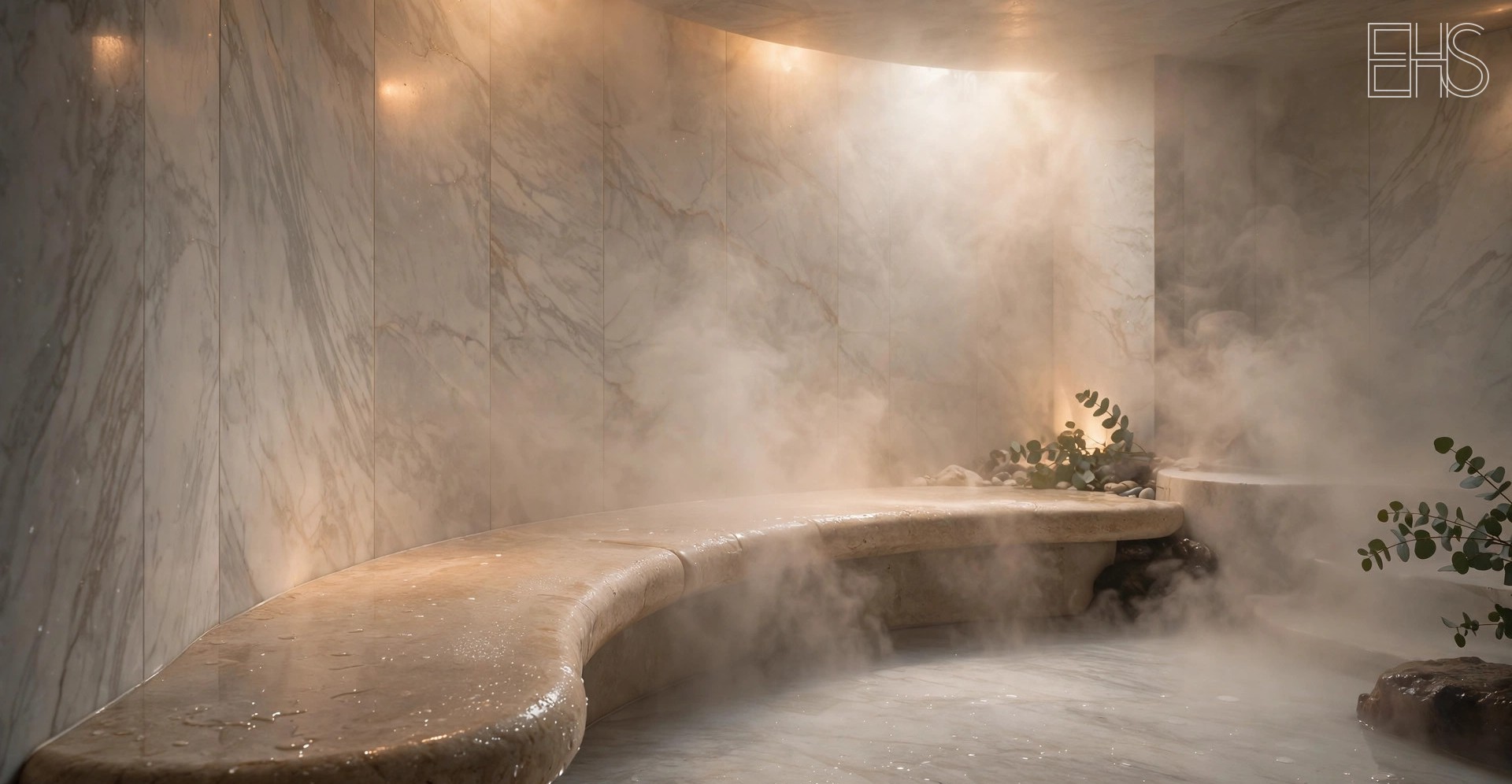
A steam room fills an enclosed space with water vapor at 110 to 120°F and near-100 percent humidity. You sweat because the air is saturated and sweat cannot evaporate. The room is tile, stone, or acrylic: waterproof surfaces everywhere, with sloped ceilings so condensation runs to the walls instead of dripping on bathers.
The experiences feel nothing alike. A sauna is intense, dry, and bracing; sessions run 15 to 20 minutes. A steam room is enveloping and gentle; sessions run 10 to 15 minutes at lower temperatures but feel thoroughly warming because humid air transfers heat to skin so efficiently. People who love one sometimes find the other underwhelming, and that preference is the single best predictor of which to build.
Installation: Where the Real Differences Live
This is where the decision gets practical, because the two projects diverge sharply.
Sauna installation
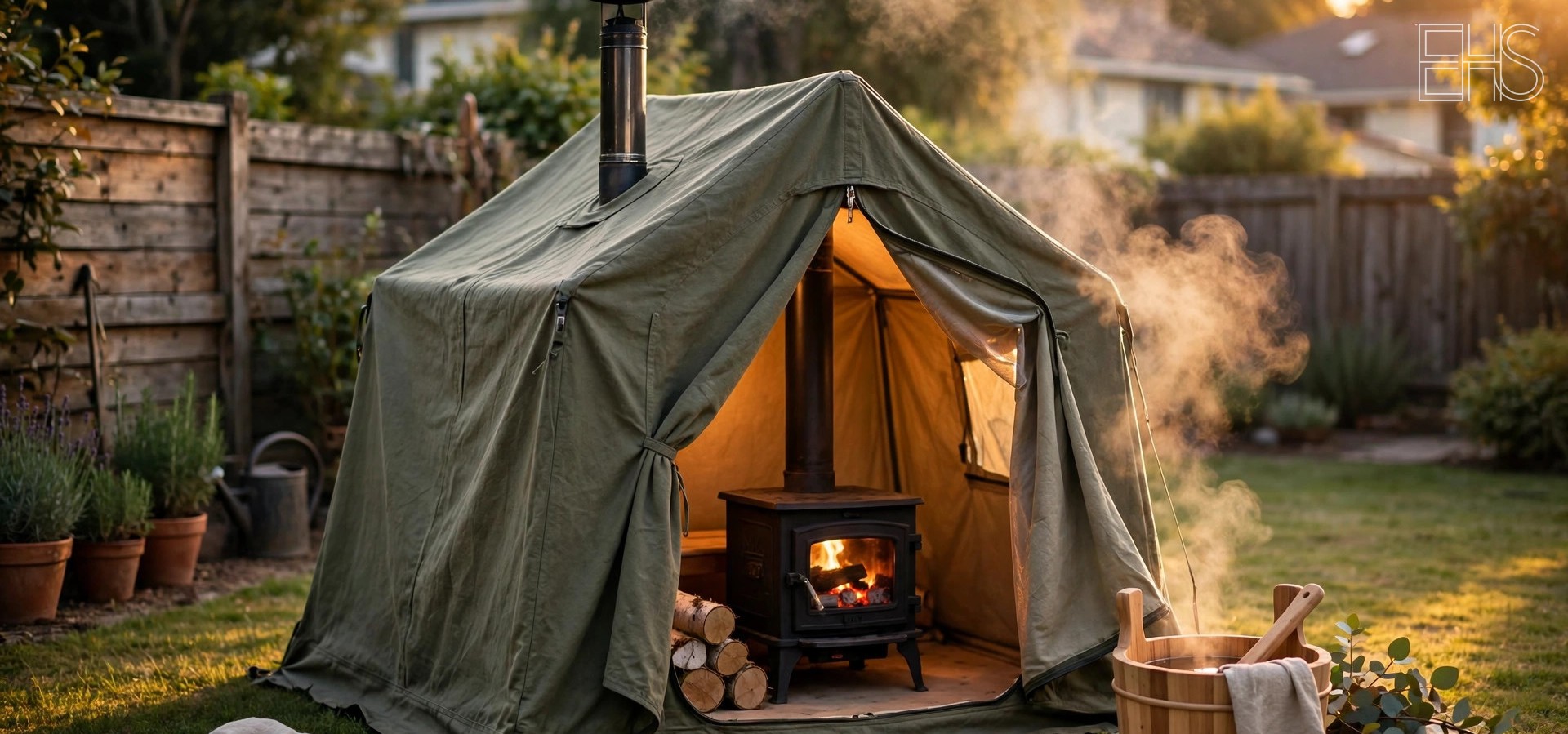
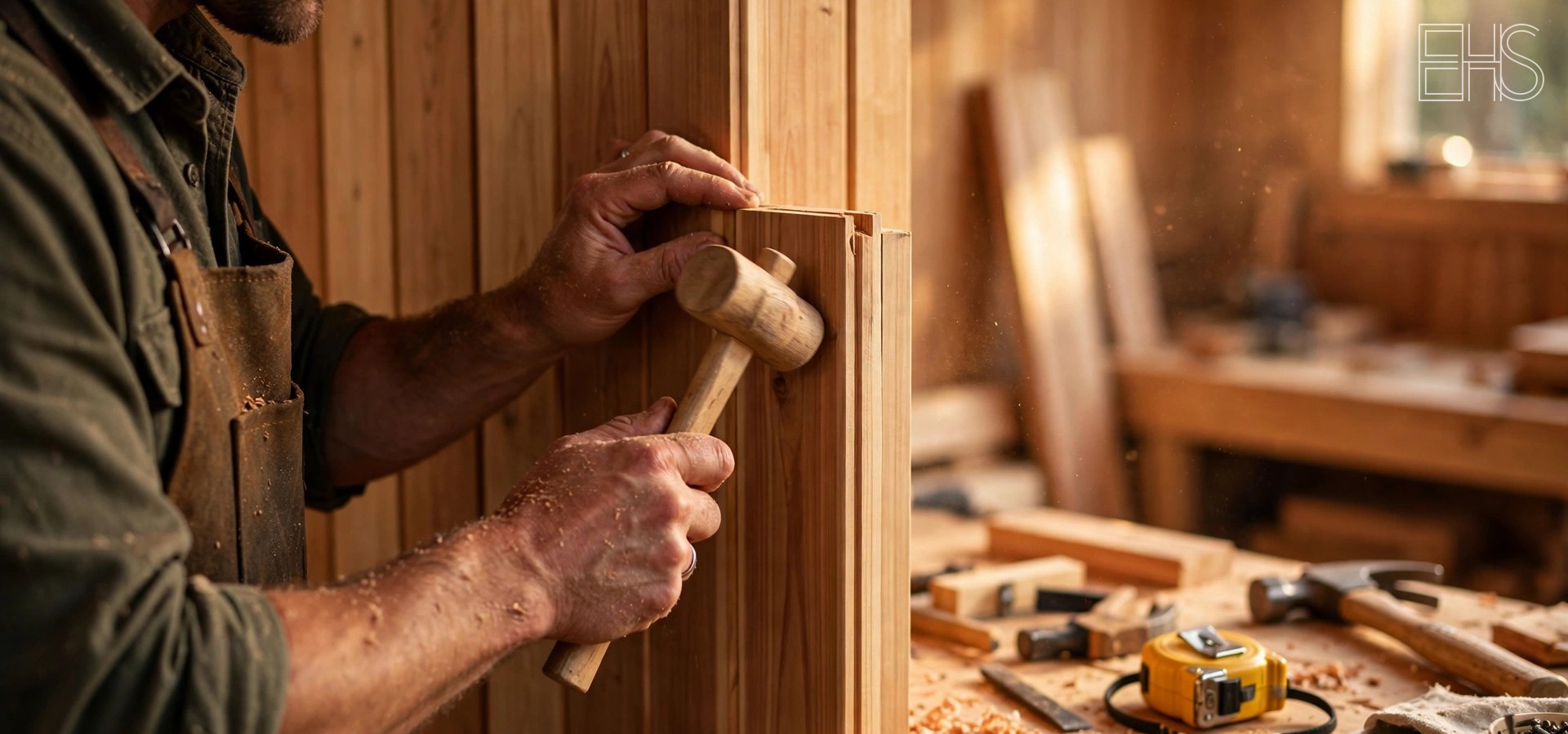
A sauna is primarily an electrical and carpentry project. The stove needs a dedicated 220 to 240V circuit, and the room itself is wood construction: benches, paneling, a door, ventilation. No plumbing is required beyond, optionally, a nearby shower. Prefab kits assemble in a weekend; custom builds take weeks. Indoor or outdoor placement both work.
Steam room installation
A steam room is primarily a plumbing and waterproofing project, and a less forgiving one. It needs:
- A steam generator, sized to the room's cubic footage, typically requiring a 220 to 240V dedicated circuit of its own (generators draw 6 to 12 kW).
- A water line to the generator, plus a drain. The generator boils water continuously during sessions; it needs supply and somewhere for condensate and blowdown to go.
- A fully waterproof room. Every surface must be tile, stone, or solid-surface over a proper waterproof membrane. Grout lines, niches, and benches all need to handle constant saturation. This is shower construction taken to an extreme, and the waterproofing standard is closer to a commercial wet room than a residential bathroom.
- A sloped ceiling. Flat ceilings drip condensation on bathers; steam room ceilings slope at least 1 to 2 inches per foot toward the walls.
- Ventilation and drying. After sessions the room must dry thoroughly, which means an exhaust fan on a timer or a disciplined open-door routine. A steam room that stays damp grows mold with impressive speed.
The skill sets differ too. Sauna kits are genuinely DIY-friendly; steam rooms are contractor territory, specifically a tile setter experienced with wet rooms and a plumber. Mistakes in a steam room's waterproofing do not announce themselves politely: they appear as damage in the rooms adjacent to it.
Cost Comparison
| Sauna (4-person, mid-range) | Steam room (comparable size) | |
|---|---|---|
| Equipment/kit | $5,000 to $12,000 | $3,000 to $8,000 (generator + materials) |
| Build/install labor | $2,000 to $8,000 | $8,000 to $20,000+ |
| Plumbing | Minimal or none | Water line, drain, generator hookup |
| Electrical | Dedicated 240V circuit | Dedicated 240V circuit (generator) |
| Typical all-in | $10,000 to $20,000 | $15,000 to $35,000+ |
| DIY feasibility | High (kits) | Low (wet-room construction) |
The steam generator itself is often cheaper than a sauna stove and kit. The room around it is where the money goes: waterproofing, tile, sloped ceiling, and skilled labor roughly double the project cost relative to a comparable sauna. Prices vary by market; verify current rates before booking contractors.
Ownership: Maintenance and Daily Reality
Saunas ask little. Wipe down benches, sand them yearly, leave the door ajar to dry, replace stones every year or two, re-oil exterior wood if outdoors. Annual maintenance is a few hours and a few tens of dollars in materials.
Steam rooms ask more. The generator needs periodic descaling, especially in hard-water areas; many owners install a water softener or inline filter to protect it, which is its own maintenance item. Tile and grout need regular cleaning to prevent mildew; grout in constant saturation is a maintenance treadmill. Seals, gaskets, and the generator's heating elements are wear items with real replacement costs. Budget a few hundred dollars a year in maintenance and supplies, plus your time.
Energy use is comparable in spirit: both draw substantial power during sessions, and neither is meaningfully "cheap" to run. The steam generator's continuous boiling during a session is roughly on par with an electric sauna stove's draw.
Space and Placement
Saunas are flexible: spare room, basement, garage, garden. The footprint is the kit's footprint plus clearances, and the only services needed are electricity and ventilation.
Steam rooms are less flexible. They belong where plumbing and drainage are practical: near bathrooms, in basements with drain access, or in new construction where the wet room can be designed in. Retrofitting a steam room into a finished upstairs bedroom is possible but punishingly expensive; the waterproofing and drain requirements fight the existing structure at every step. Outdoor steam rooms are rare and generally impractical: the waterproofing and freeze protection compound each other.
Which Should You Choose?
Choose the sauna if: you prefer intense dry heat, you want the simpler and cheaper project, you value DIY feasibility, you are placing it outdoors or far from plumbing, or you want the traditional ritual of water on stones. The sauna is the more practical choice for most homes, which is why it outsells steam rooms by a wide margin.
Choose the steam room if: you genuinely prefer moist heat (try both at a spa before committing five figures to the question), you are already building or renovating a bathroom and can integrate the wet room at marginal cost, or respiratory comfort in humid warmth matters to you. The steam room is the better choice when the construction is already happening around it.
Consider both only if the budget is genuinely comfortable and the space allows: some high-end home spas pair a sauna and steam shower in adjacent rooms. For most buyers this is excess; pick the heat you prefer and invest the difference in build quality.
Plainly: neither sauna nor steam heat suits everyone. Heart conditions, pregnancy, or any unease about heat exposure mean keeping sessions moderate, staying alert to how you feel, and stepping out early whenever in doubt.
For deeper reading on the sauna side, infrared versus traditional sauna compares heater types and the infrared sauna buyer's guide covers the plug-in route, while the evidence on sauna benefits gives the honest summary of what heat does and does not do.
Frequently Asked Questions
Is a steam room better than a sauna?
Neither is better in any absolute sense; they are different experiences. Saunas deliver hotter, drier heat with a simpler, cheaper installation. Steam rooms deliver gentler, fully humid heat with a more demanding and expensive build. The right choice is the heat you personally prefer, which is worth testing at a spa before committing to construction.
Which costs more to install, a steam room or a sauna?
A steam room, usually by a wide margin. While the steam generator itself may cost less than a sauna kit, the waterproof room construction: tile over membrane, sloped ceiling, plumbing, drain, and skilled wet-room labor: typically brings the all-in project to $15,000 to $35,000+, versus $10,000 to $20,000 for a comparable sauna. Verify current rates before booking, since labor markets drive both numbers.
Can you put a steam room outdoors?
It is rarely practical. Outdoor steam rooms face compounded problems: waterproofing a structure exposed to weather, freeze-protecting the water lines and generator, and heating outdoor air to saturation. Saunas handle outdoor placement far better, which is one reason outdoor wellness projects are nearly always saunas, sometimes paired with a cold plunge rather than steam.
Do steam rooms need a drain?
Yes. The steam generator requires a water supply line and a drain for condensate and periodic blowdown/flushing. This is a hard requirement, not an option, and it is one of the main reasons steam rooms belong near existing plumbing. A room without drain access is a poor candidate for conversion.
How much maintenance does a steam room need?
More than a sauna. Expect regular descaling of the generator (especially with hard water), frequent tile and grout cleaning to prevent mildew, and eventual replacement of seals, gaskets, and heating elements. A water softener or inline filter protects the generator but adds its own maintenance. Budget a few hundred dollars a year plus your time.
Can I convert a shower into a steam room?
Sometimes, and it is the most cost-effective path to steam. A shower conversion needs a steam generator (sized to the enclosure), a fully enclosed space with a door (not a curtain), a sloped or domed ceiling treatment, and verification that the existing waterproofing is up to continuous-saturation duty. Many showers need upgraded waterproofing and a proper door before they qualify. Have a wet-room-experienced contractor assess the specific shower before buying the generator.