A cold plunge tub is one of the simplest wellness purchases you can make — and one of the easiest to get wrong. Prices run from a few hundred dollars for an inflatable barrel to several thousand for a fully chilled, filtered unit. The difference isn't just branding. It's cooling power, insulation, water maintenance, and how the tub fits your life day to day.
This guide walks through the categories that actually matter in 2026, what to look for at each price tier, and who each type of tub suits. No hype — just the decision, made clearly.
The Three Tiers of Cold Plunge Tubs
Almost every tub on the market falls into one of three buckets. Understanding which bucket you're shopping in saves you from comparing things that were never meant to compete.
Tier 1: Ice-bath tubs (roughly $100–$500)
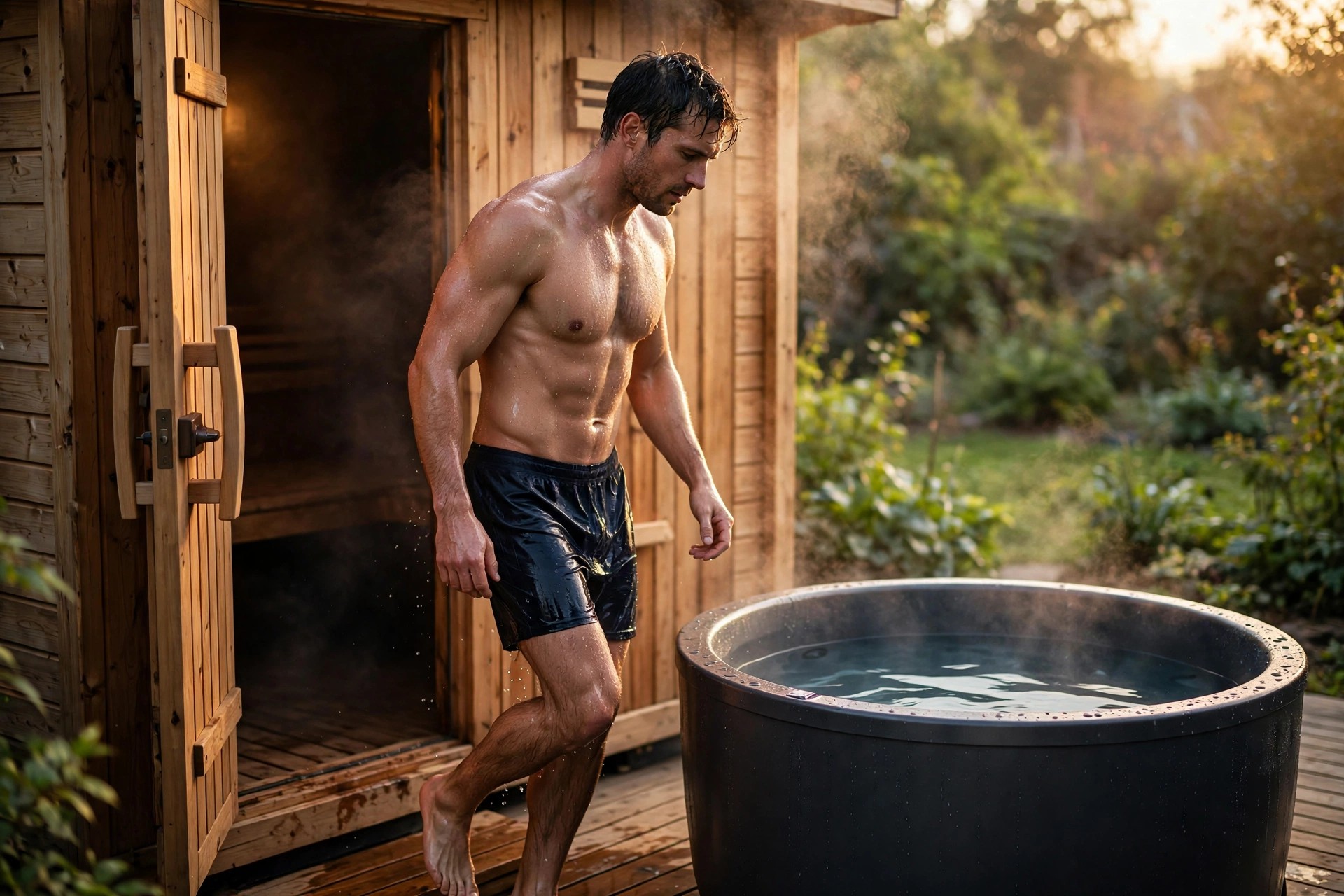
These are insulated barrels, stock-tank style tubs, and portable inflatables. You fill them with cold water and add ice — typically 10 to 40 pounds per session depending on your starting water temperature and target.
What you get: Simplicity. No electricity, no moving parts, nothing to break. A well-insulated barrel can hold cold water for a day or two in moderate weather.
What you give up: Convenience. Buying, hauling, and dumping ice gets old fast. Most people who start here either plunge less often than planned or upgrade within a year. Water changes are manual and frequent, since there's no filtration.
Who it suits: First-timers testing whether they actually enjoy cold immersion before committing real money. Renters who can't install anything permanent. People in cold climates where tap water is already near target temperature for much of the year.
Tier 2: Chiller-compatible tubs (roughly $500–$2,000 for the tub, chiller extra or bundled)
These tubs are built to pair with an external water chiller — a small refrigeration unit that circulates water through the tub and holds it at a set temperature, usually down to the high 30s or low 40s Fahrenheit.
What you get: Set-and-forget temperature. No ice runs. Many chillers include basic filtration, which stretches water changes from days to weeks.
What you give up: Some simplicity. A chiller is an appliance — it hums, it draws power, and it needs occasional filter cleaning. You'll also want to check the chiller's cooling capacity against your climate; an undersized chiller in a hot garage will run constantly and struggle.
Who it suits: Committed plungers who want a daily habit without the ice logistics. This is the sweet spot for most buyers — the daily-use experience of a premium unit at a fraction of the price, provided you choose a capable chiller.
Tier 3: All-in-one chilled tubs (roughly $3,000–$8,000+)
Fully integrated units with built-in cooling, filtration, and often sanitation (ozone or UV). Think of them as the appliance version of a cold plunge — plug in, set temperature, plunge.
What you get: The lowest-maintenance experience available. Insulated bodies hold temperature efficiently, multi-stage filtration keeps water clean for weeks or months, and sanitation systems reduce chemical use. Many include steps, covers, and Wi-Fi temperature control.
What you give up: Money, obviously — and flexibility. These are heavy, semi-permanent installations. Moving one is a project.
Who it suits: Households where two or more people plunge daily, anyone who values zero-friction routines, and buyers who'd rather pay once for the finished experience than assemble it piecemeal.
What Actually Matters: The Five Features to Compare
Marketing pages love to list dozens of specs. In practice, five things determine whether you'll still be plunging in a year.
1. Cooling power and temperature range
The headline number is the lowest temperature the unit can reach and hold. Most plungers settle somewhere between 39°F and 55°F (4–13°C). What matters more than the minimum is whether the unit can hold your target in your conditions — a garage in Phoenix in August is a different job than a basement in Toronto in January.
For chiller setups, compare cooling capacity (often listed in horsepower or BTU) against the tub's water volume and your ambient temperature. When in doubt, size up.
2. Insulation
Insulation determines running cost and temperature stability. Look for thick foam insulation in the tub walls and a well-sealed, insulated cover — heat enters mostly from the top. A poorly insulated tub with a strong chiller is just an expensive way to cool your garage.
3. Filtration and sanitation
Unfiltered water needs changing every few days. A decent particulate filter stretches that to weeks. Ozone or UV sanitation stretches it further and reduces the need for chemical sanitizers. Ask specifically: what filtration stages are included, how often do filters need replacing, and what do replacements cost? Filter costs are the quiet recurring expense of plunge ownership.
4. Size and ergonomics
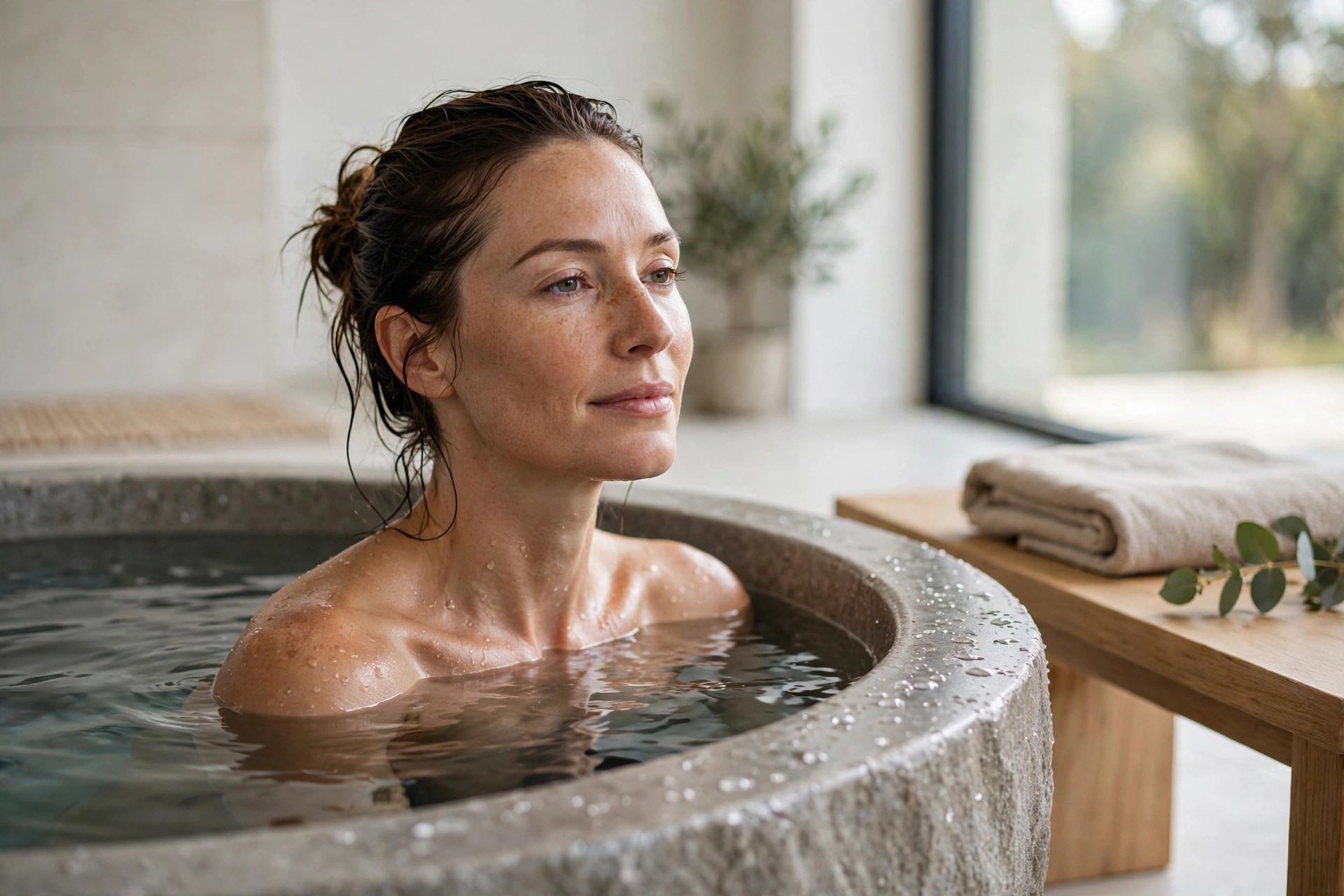
You want to submerge to the shoulders while seated. Tubs that are too shallow force an awkward crouch; tubs that are too deep waste water and cooling energy. Check interior dimensions, not exterior — thick insulated walls eat several inches. If you're tall, verify fit before buying. Steps or a stable entry aid matter more than you'd think for a slippery, cold tub used daily.
5. Build quality and warranty
At these prices, the warranty tells you what the manufacturer believes about their product. Look for at least a one-year comprehensive warranty on chillers and electronics; longer is better. Read what's excluded — seals, covers, and filters are commonly carved out. A company with a real support line beats a slightly cheaper unit from a seller who disappears after checkout.
Comparison at a Glance
| Ice-bath tub | Chiller + tub | All-in-one | |
|---|---|---|---|
| Typical cost | $100–$500 | $1,500–$4,000 all-in | $3,000–$8,000+ |
| Reaches temp | With ice only | Yes, set-and-hold | Yes, set-and-hold |
| Daily effort | High (ice, water changes) | Low | Minimal |
| Filtration | None | Basic–good | Multi-stage + sanitation |
| Noise | Silent | Chiller hum | Low hum |
| Portability | High | Medium | Low |
| Best for | Trying it out | Daily habit, good value | Zero-friction routine |
How to Match a Tub to Your Situation
Small apartment or rental: A portable insulated barrel. No installation, no electrical concerns, and you can take it with you.
Garage or backyard with power: A chiller-compatible setup hits the best balance of experience and cost. Budget for the chiller honestly — it's the heart of the system.
Dedicated wellness space: An all-in-one unit. If you're building the space anyway, the integrated experience is worth it.
Hot climate: Prioritize cooling capacity and insulation over everything else. An undersized system in heat is the most common regret we hear about.
Cold climate: You may barely need active cooling for half the year. A well-insulated tub with a smaller chiller — or even ice in winter — can be the smart play.
Red Flags When Shopping
- No stated cooling capacity. If a chiller listing won't tell you its BTU or horsepower rating, move on.
- "Cools to 36°F!" with no ambient temperature specified. Every chiller can hit low numbers in a cool room. Ask what it holds in your conditions.
- Proprietary filters with no published replacement price. You'll be buying these for years.
- Warranty under a year on electronics. At multi-thousand-dollar prices, that's the manufacturer telling you something.
- Weight listed nowhere. If you can't find the filled weight, you can't plan the install — and heavy all-in-ones can exceed what a deck or upper floor safely holds.
Where to Look Next
Once you've settled on a tier, the next questions are practical: where the tub will live, what electrical access you have, and how much maintenance you're honestly willing to do. Our step-by-step decision framework walks through all of it.
And if you're still weighing cold against heat, our honest comparison of the two may settle it.
Frequently Asked Questions
How cold should a cold plunge be?
Most people plunge between 39°F and 55°F (4–13°C). Research on cold-water immersion has typically studied temperatures in this range. Colder isn't automatically better — start warmer and work down as your tolerance builds. Sessions of 2–5 minutes are the common range; longer soaks at very low temperatures increase risk without clear added benefit.
Do I really need a chiller, or is ice enough?
Ice works fine to start. The question is whether you'll keep doing it. Most people find the ice routine — buying, storing, hauling, dumping — becomes the reason they stop plunging within months. A chiller removes that friction entirely. If you're testing the habit, start with ice. If you already know you love it, a chiller pays for itself in consistency.
How often do you change the water?
With no filtration: every 2–4 days, or sooner if the water looks or smells off. With a chiller's basic filtration: every 2–4 weeks. With multi-stage filtration plus ozone or UV: some owners go 2–3 months between changes. Showering before plunging extends water life significantly in every setup.
Can I put a cold plunge outside year-round?
Yes, with caveats. Insulated tubs and covers handle winter well — cold ambient air is free cooling. Summer is the harder season: direct sun and hot air force the chiller to work much harder. Shade the unit, keep the cover on between sessions, and size your cooling for the hottest days, not the average ones.
What's the running cost of a chilled tub?
Expect roughly $20–$60 per month in electricity depending on your rates, climate, insulation quality, and target temperature. Filter replacements typically run $30–$80 a few times per year. All-in-ones with good insulation sit at the lower end; undersized chillers fighting hot ambient air sit at the higher end.
Is a cold plunge safe?
For healthy adults, brief cold-water immersion is generally considered low-risk, but it does stress the cardiovascular system — the initial cold shock raises heart rate and blood pressure. People with heart conditions, high blood pressure, or other cardiovascular concerns should talk to their doctor first. Never plunge alone, and ease in gradually rather than jumping straight to the coldest setting.
This article is for informational purposes only and is not medical advice. Consult a qualified professional before making health decisions.